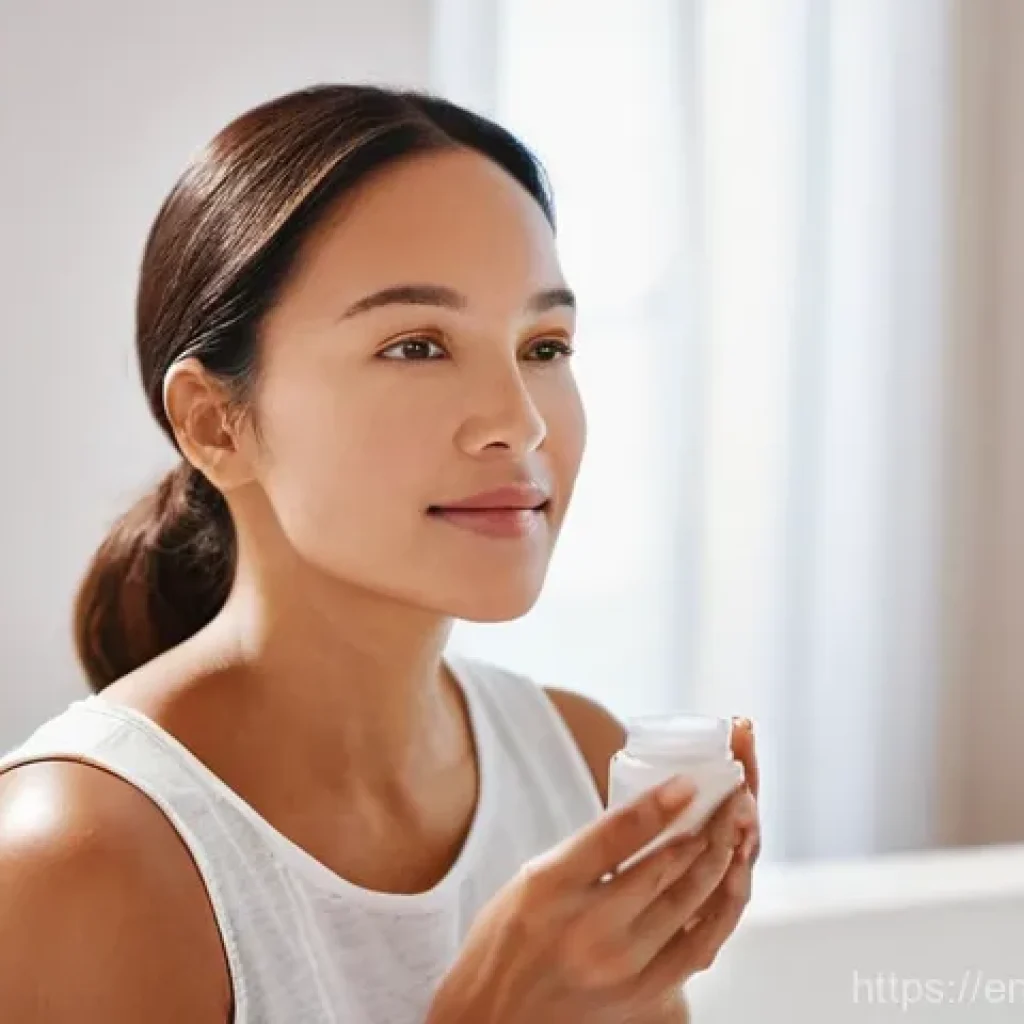
Oh, the joys of pregnancy! While that “pregnancy glow” is definitely a real thing for many, thanks to increased blood flow and hormones, it’s also totally normal to experience some unexpected skin surprises along the way.
I remember when I was expecting, I thought I’d be all radiant and flawless, but let me tell you, those hormonal shifts had other plans for my skin! From sudden breakouts that felt like a trip back to my teenage years to patches of melasma (the “mask of pregnancy”) that popped up out of nowhere, it can feel like your skin has a mind of its own during this special time.
It’s easy to feel a little overwhelmed trying to figure out what’s safe and effective for your changing skin, especially with so much conflicting advice out there.
Trust me, you’re not alone in wondering how to keep your complexion happy and healthy without compromising your little one’s well-being. Good news is, the world of pregnancy-safe skincare has come a long way, with many amazing, gentle ingredients and products that can genuinely help.
I’ve personally tried and tested so many options, looking for those true game-changers. I’m here to share all the latest trends and insider tips I’ve gathered, so you can navigate this journey with confidence and keep that beautiful skin glowing, even when hormones try to throw a wrench in your plans.
Below, we’re going to dive deep into exactly how you can soothe those pregnancy skin troubles and find your calm, confident radiance. Let’s get into it!
Embracing the Beautiful Changes: Navigating Pregnancy Skin with Grace
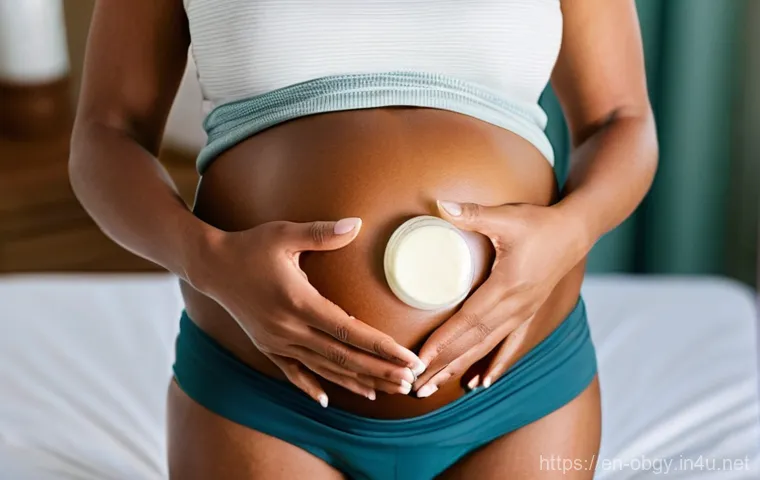
There’s this undeniable magic that comes with growing a tiny human, right? But alongside the excitement, our bodies go through such incredible, often unpredictable, transformations. Our skin, bless its heart, often becomes a mirror for these internal shifts. I remember vividly looking in the mirror one morning, about halfway through my second trimester, and noticing a constellation of tiny, red bumps suddenly appear on my chin. It wasn’t quite acne, but it definitely wasn’t my usual complexion either. It felt like my skin was staging a small rebellion! Many of us anticipate the “pregnancy glow” and are sometimes surprised by unexpected guests like melasma, those dark patches often called the “mask of pregnancy,” or even surprising bouts of sensitivity where products we’ve used for years suddenly cause irritation. It’s totally normal to feel a bit out of sync with your skin during this time, and I want you to know that you are absolutely not alone in these experiences. The key here is not to fight these changes, but to understand and embrace them with gentle, informed care. What works for your skin before pregnancy might need a little adjustment now, and that’s perfectly okay. We’re diving into how you can keep your skin feeling loved and looking its best throughout this amazing journey, ensuring safety for both you and your little one.
Deciphering Your Skin’s New Language
Understanding what’s happening beneath the surface is the first step to truly caring for your skin during pregnancy. Those fluctuating hormone levels, especially the surge in estrogen and progesterone, are the primary culprits behind many of these skin changes. It’s like your body is constantly adjusting its internal thermostat, and your skin is just trying to keep up! For some, this means an increase in oil production leading to acne, even if you haven’t seen a breakout since high school. Others might find their skin becomes incredibly dry and itchy, particularly around the belly as it expands. Then there’s the increased blood volume, which contributes to that lovely “glow” but can also make spider veins more noticeable or lead to flushed cheeks. I personally found my skin became hyper-sensitive to the sun, which made me super vigilant about SPF, even on cloudy days. It’s a delicate balance, and listening to your skin’s signals – whether it’s feeling tight, oily, irritated, or just different – is crucial. Paying attention to these subtle cues will guide you in choosing the right ingredients and routines to soothe and support your complexion during this unique chapter. Think of it as developing a new, even deeper relationship with your body.
The Gentle Art of Ingredient Swapping
One of the biggest anxieties many of us face during pregnancy is scrutinizing every ingredient list, wondering what’s truly safe. It feels like navigating a minefield sometimes, doesn’t it? Before I was pregnant, I loved my potent retinols and salicylic acid for keeping my skin clear and bright. But as soon as I saw that positive test, I knew I needed to make some serious adjustments. The good news is, there are so many wonderful, effective, and perfectly safe alternatives out there that can deliver similar results without any worry. It’s not about sacrificing your skincare routine entirely, but rather about making smart, informed swaps. Think of it as an opportunity to discover new hero products and embrace a more holistic approach to your skin health. My dermatologist gave me a fantastic list of ingredients to look out for and those to avoid, and it truly made all the difference in alleviating my concerns. This is a time to pamper your skin with ingredients that nourish and protect, rather than harsh treatments. Embracing this gentle philosophy can actually lead to a more radiant and resilient complexion in the long run, even after your little one arrives.
Your Pregnancy Skincare Arsenal: Safe & Effective Picks
Once you understand what’s happening with your skin, the next step is building a skincare routine that supports these changes without introducing any risks. This doesn’t mean you have to overhaul everything, but rather be mindful of certain ingredients and formulations. I’ve spent countless hours researching and trying out products, and what I’ve found is that simplicity and gentleness are often your best friends. For example, instead of harsh chemical exfoliants, I switched to an enzyme-based cleanser that gently sloughed off dead skin cells without stripping my skin. It truly felt like a spa treatment every time! The goal is to nurture your skin, keep it hydrated, and protect it from environmental stressors, all while using ingredients that are known to be safe for expectant mothers. Many brands now specifically formulate products with pregnant women in mind, which is a huge relief. You don’t have to compromise on efficacy; you just need to know what to look for. It’s about empowering yourself with knowledge so you can choose wisely and confidently. Trust me, finding those perfect pregnancy-safe products can feel like hitting the jackpot, bringing such a sense of calm to your daily routine.
Hydration Heroes for Supple Skin
During pregnancy, your body is working overtime, and that often means increased fluid retention in some areas and dryness in others. Staying properly hydrated, both internally by drinking plenty of water and externally with targeted skincare, is absolutely paramount. I noticed my skin started to feel incredibly tight and itchy around my growing belly, and a rich, fragrance-free moisturizer became my daily ritual. Look for ingredients like hyaluronic acid, glycerin, and ceramides; these are true powerhouses for drawing moisture into the skin and sealing it in. Shea butter and cocoa butter are also fantastic for providing a protective barrier, especially on areas prone to stretch marks. The key is to apply these moisturizers liberally and consistently, especially after a shower when your skin is still damp, to really lock in that hydration. I used to keep a bottle of my favorite body oil right by my bedside and made it a point to apply it every night. It wasn’t just about preventing stretch marks; it was a moment of self-care, connecting with my changing body and giving it the nourishment it deserved. Remember, well-hydrated skin is more resilient and better equipped to handle all the wonderful changes happening within.
Sun Protection: Your Non-Negotiable Shield
If there’s one non-negotiable step in your pregnancy skincare routine, it’s sun protection. Period. Those hormonal shifts can make your skin incredibly vulnerable to hyperpigmentation, specifically melasma or “chloasma,” which can appear as dark patches on your face. I always thought I was good about SPF, but during pregnancy, I became almost obsessive! Mineral sunscreens, containing zinc oxide and titanium dioxide, are generally considered the safest options as they sit on top of the skin and create a physical barrier rather than being absorbed. Look for broad-spectrum formulas with an SPF of 30 or higher and reapply diligently, especially if you’re spending time outdoors. Don’t forget about hats and seeking shade, too! It’s not just about preventing new dark spots; it’s also about protecting your skin from UV damage, which can accelerate aging and increase the risk of skin cancer. Even on cloudy days or when you’re indoors near windows, UV rays can still reach your skin. Making sun protection a firm habit will pay dividends for your skin health, long after your pregnancy journey is complete. It’s an investment in your future glow!
Tackling Common Pregnancy Skin Woes Head-On
Beyond the general changes, pregnancy often brings specific skin concerns that can be frustrating. From the dreaded “mask of pregnancy” to unexpected breakouts and the concern of stretch marks, it can feel like a lot to manage. I distinctly remember the moment those dark patches of melasma began to appear on my forehead and upper lip – it felt like my face was telling a story I wasn’t quite ready to share. But understanding that these are common and manageable issues, and not something you have to silently endure, makes all the difference. The good news is that for most of these concerns, there are gentle yet effective strategies you can employ. It’s about targeted care that supports your skin’s natural healing and regenerative processes without harsh chemicals. We’re aiming for comfort, confidence, and maintaining your skin’s health throughout this beautiful, albeit sometimes challenging, period. Don’t feel like you have to accept these changes without trying to find solutions that work for you.
Managing Hormonal Acne & Breakouts
Just when you thought breakouts were a thing of the past, pregnancy hormones can sometimes usher them right back in! Increased oil production can clog pores, leading to those frustrating zits. While strong acne treatments like retinoids and salicylic acid are off-limits, you still have powerful allies. Benzoyl peroxide in concentrations of 5% or less is often considered safe for spot treatments, and ingredients like azelaic acid are fantastic for both acne and hyperpigmentation. I found that a gentle cleanser containing lactic acid or glycolic acid (in low concentrations, of course) used sparingly helped keep my pores clear without over-drying. And honestly, simply being consistent with a gentle cleansing routine, twice a day, made a huge difference. Avoid picking or squeezing breakouts, which can lead to scarring, and instead focus on soothing and calming inflammation. Sometimes, less is truly more when your skin is already under the influence of fluctuating hormones. Remember, patience is key, and consistency will yield the best results.
Soothing Melasma (The “Mask of Pregnancy”)
Melasma is perhaps one of the most visible and often disheartening pregnancy skin concerns. Those symmetrical, dark patches, often on the forehead, cheeks, and upper lip, can be tough to deal with. My own experience with melasma taught me the immense power of sun protection – it truly is your first line of defense! Beyond that, ingredients like vitamin C (a powerful antioxidant and brightening agent), azelaic acid, and niacinamide can be incredibly helpful. These work by inhibiting melanin production and improving overall skin tone without the harshness of hydroquinone, which is generally not recommended during pregnancy. Consistent use is crucial, and remember that immediate results are rare. Think of it as a marathon, not a sprint. Some dermatologists may also suggest very gentle, superficial peels or microdermabrasion, but these should *always* be discussed with your healthcare provider and performed by a trusted professional who is aware of your pregnancy. The good news is that melasma often fades significantly, or even disappears entirely, after delivery, but taking proactive steps can certainly help manage its appearance in the meantime.
Nourishing Your Skin from Within
While topical products play a huge role in maintaining healthy pregnancy skin, what you put into your body is just as, if not more, important. Think of your skin as an outward reflection of your internal health. I always found that on days I ate well, drank plenty of water, and got enough rest, my skin looked noticeably better. It’s not just an old wives’ tale; there’s real science behind how nutrition, hydration, and overall well-being impact your complexion. During pregnancy, your body has extra demands on its nutrient stores, and ensuring you’re getting a balanced diet rich in vitamins, minerals, and essential fatty acids can truly make a difference. This holistic approach supports not only your skin but your overall health and the healthy development of your baby. It’s a wonderful opportunity to focus on nourishing yourself from the inside out, creating a strong foundation for radiant skin.
The Power of a Balanced Diet
Eating a colorful, nutrient-dense diet is crucial for healthy skin, pregnant or not! During pregnancy, however, specific nutrients become even more important. Omega-3 fatty acids, found in foods like salmon, chia seeds, and walnuts, are fantastic for maintaining skin elasticity and reducing inflammation. Antioxidant-rich fruits and vegetables (berries, leafy greens, bell peppers) help protect your skin cells from damage. Vitamin C, beyond its topical benefits, is essential for collagen production, which gives your skin its strength and suppleness. And don’t forget protein, the building block of skin cells. I made a conscious effort to include a wide variety of these foods in my daily meals, and I genuinely felt the difference, not just in my energy levels but in the overall vitality of my skin. It’s about making smart, delicious choices that benefit both you and your growing baby, and your skin will thank you for it!
Hydration: Your Skin’s Best Friend
I cannot stress this enough: drink your water! Your blood volume increases significantly during pregnancy, and adequate hydration is essential for every bodily function, including maintaining plump, healthy skin. Dehydrated skin can look dull, feel tight, and be more prone to showing fine lines. Aim for at least 8-10 glasses of water a day, more if you’re active or if it’s hot. I always kept a large water bottle with me and tried to refill it throughout the day, sometimes adding a slice of lemon or cucumber for a refreshing twist. Beyond just water, hydrating herbal teas (check with your doctor first!), and water-rich fruits and vegetables contribute to your fluid intake. Proper hydration helps your body flush out toxins, supports circulation, and keeps your skin cells functioning optimally. It’s one of the simplest, yet most effective, things you can do for your skin during pregnancy, and it costs virtually nothing!
Preventing & Minimizing Stretch Marks

Ah, stretch marks. They’re often seen as an inevitable badge of honor for mothers, and while many of us will develop them, there are absolutely things you can do to support your skin’s elasticity and potentially minimize their appearance. I started my routine for stretch marks early, even before my belly really started to pop, because I knew consistency was key. It’s not just about what cream you use, but how you use it and the overall health of your skin. Remember, your skin is stretching rapidly, and providing it with intense moisture and elasticity-boosting ingredients can make a significant difference in how it copes with that expansion. While genetics play a huge role, we can certainly give our skin the best possible fighting chance!
The Art of Moisturizing & Massaging
This is where rich, emollient creams and oils truly shine. Ingredients like shea butter, cocoa butter, vitamin E oil, and natural botanical oils (like rosehip or argan oil) are fantastic for deeply moisturizing and improving skin elasticity. The key is to apply them consistently, at least twice a day, focusing on your belly, breasts, hips, and thighs. But it’s not just about slathering on a product; the gentle massage technique is equally important. Massaging the product into your skin helps improve circulation and allows the ingredients to penetrate more effectively. I used to spend a few minutes each morning and evening gently circular-massaging my belly, turning it into a beautiful ritual where I connected with my baby. It felt so soothing, and even if it didn’t prevent every single stretch mark (which is totally okay!), it certainly made my skin feel much more comfortable and supple. Consistency is your magic word here!
Supporting Skin Elasticity from Within
While external care is vital, remember our earlier discussion about internal nourishment? It applies here too! Foods rich in vitamin C, which is crucial for collagen production, and zinc, which supports wound healing and skin integrity, are your friends. Collagen and elastin are the fibers that give your skin its strength and flexibility, and supporting their production can aid in preventing those tiny tears that result in stretch marks. Think citrus fruits, bell peppers, broccoli for Vitamin C, and lean meats, nuts, and seeds for zinc. Staying well-hydrated is also paramount, as plump, hydrated skin is naturally more elastic than dry skin. Combining a nutrient-rich diet with consistent topical moisturizing and gentle massage provides a comprehensive approach to supporting your skin’s incredible journey of stretching and adapting during pregnancy. Embrace every stripe, but also know you can empower your skin with incredible care.
Navigating the World of Pregnancy-Safe Ingredients
When you’re expecting, suddenly every ingredient label becomes a puzzle, doesn’t it? It can feel overwhelming trying to decipher what’s good, what’s okay in moderation, and what’s an absolute no-go. I spent hours cross-referencing ingredient lists with online databases and my doctor’s recommendations, trying to ensure I wasn’t inadvertently using anything harmful. The good news is, a lot of what you need to avoid are high-strength prescription retinoids or certain chemical exfoliants that can be absorbed systemically. Most common, gentle skincare ingredients are perfectly fine! This is where knowledge truly empowers you to make confident choices for yourself and your baby. My goal here is to simplify that process, giving you a clear guide so you can shop for skincare products with peace of mind. No more second-guessing every serum or moisturizer!
What to Embrace: Your Safe Skincare Allies
Let’s talk about the good stuff! There are so many amazing ingredients that are not only safe but highly beneficial for pregnancy skin. Hyaluronic acid is a superstar for hydration, drawing moisture into the skin without any fuss. Niacinamide (Vitamin B3) is fantastic for calming inflammation, reducing redness, and even helping with hyperpigmentation. Vitamin C is a powerful antioxidant that brightens the skin and boosts collagen. Gentle alpha-hydroxy acids (AHAs) like lactic or glycolic acid, in low concentrations and used sparingly, can provide mild exfoliation. Peptides are generally considered safe for boosting skin elasticity. And of course, mineral sunscreens with zinc oxide and titanium dioxide are your daily must-haves. These ingredients form the backbone of a safe and effective pregnancy skincare routine, helping you address concerns like dryness, dullness, and uneven tone without any worry. Think of them as your skin’s personal cheerleading squad!
What to Avoid: The Ingredient Red Flags
Now for the list of ingredients to temporarily bid farewell to. The big ones are retinoids (Retin-A, tretinoin, retinol, retinaldehyde, tazarotene, adapalene), often found in anti-aging and acne products, due to potential risks. High concentrations of salicylic acid (over 2% for topical use, especially in peels or body washes covering large areas) are also generally advised against. Oral salicylic acid is a definite no. Hydroquinone, a common skin lightener, is typically off-limits. Some doctors also advise caution with phthalates, formaldehyde, and certain essential oils in high concentrations, so always check with your healthcare provider. When in doubt, always err on the side of caution and consult with your OB-GYN or dermatologist. It’s better to be safe than sorry, and there are always safe alternatives available to help you achieve your skincare goals during this special time.
| Category | Pregnancy-Safe Ingredients | Ingredients to Avoid |
|---|---|---|
| Acne & Exfoliation | Azelaic Acid, Benzoyl Peroxide (≤5% for spot treatment, consult doctor), Lactic Acid (low concentration), Glycolic Acid (low concentration), Sulfur | Retinoids (Retinol, Tretinoin, etc.), Salicylic Acid (high concentration), Isotretinoin (Accutane) |
| Brightening & Pigmentation | Vitamin C, Niacinamide, Azelaic Acid | Hydroquinone, High-strength Kojic Acid (consult doctor) |
| Hydration & Anti-Aging | Hyaluronic Acid, Glycerin, Ceramides, Peptides, Squalane, Shea Butter, Cocoa Butter | Formaldehyde, Phthalates |
| Sun Protection | Zinc Oxide, Titanium Dioxide (Mineral Sunscreens) | Oxybenzone, Avobenzone, Octinoxate (Chemical Sunscreens – some studies suggest caution) |
The Power of Mindful Self-Care & Relaxation
Pregnancy is a journey filled with so much anticipation, joy, and let’s be honest, sometimes a fair bit of stress! And guess what? Stress can absolutely show up on your skin. Those late nights, the constant worry, the physical discomfort – it all takes a toll. I remember days when I felt utterly exhausted, and my skin would look dull and breakout-prone. It was a clear sign that I needed to slow down and prioritize myself. That’s why self-care, especially during pregnancy, isn’t a luxury; it’s a necessity. It’s about creating moments of calm and peace that not only benefit your mental and emotional well-being but also positively impact your skin’s health. Taking care of your skin can be a truly grounding and nurturing ritual during this transformative time.
Embracing Rest & Reducing Stress
Getting enough sleep during pregnancy can sometimes feel like an Olympic sport, but it’s incredibly important for your skin’s health. Your body repairs and regenerates cells, including skin cells, while you sleep. Aim for 7-9 hours of quality sleep whenever possible. And stress? Oh, stress is a big one. It can trigger hormonal imbalances that exacerbate skin issues like acne or eczema. Finding healthy ways to manage stress – whether it’s through prenatal yoga, meditation, gentle walks, or simply indulging in a good book – will do wonders for your complexion. I found that even just 15 minutes of quiet time each day, away from screens, made a noticeable difference in how calm my skin (and my mind!) felt. Prioritizing rest and relaxation isn’t selfish; it’s a vital component of holistic wellness for both you and your baby, and your skin will absolutely reflect that inner peace.
Gentle Routines for Mind & Body
Transforming your skincare routine into a ritual of self-love can be incredibly empowering during pregnancy. Instead of seeing it as a chore, view it as a dedicated time to connect with your body and nurture yourself. Choose products with soothing textures and subtle, natural scents (if you’re not sensitive to fragrances). Take your time applying your serums and moisturizers, gently massaging them into your skin. This mindful approach not only ensures better product absorption but also provides a moment of calm in your busy day. I loved using a soft facial brush to gently cleanse my face, followed by a warm compress before applying my serums. It felt luxurious and helped me unwind. Pair your skincare routine with other gentle self-care practices, like a warm bath (not too hot!), listening to calming music, or journaling. These small, consistent acts of kindness towards yourself contribute to a beautiful glow that radiates from the inside out, truly embodying the essence of pregnancy radiance.
Wrapping Things Up
And there you have it, lovely mamas-to-be! As we journey through pregnancy, our bodies are doing something truly miraculous, and it’s only natural for our skin to reflect some of that incredible work. I hope this deep dive has offered some clarity, comfort, and a sprinkle of confidence in navigating your pregnancy skincare. Remember, this isn’t just about managing blemishes or dark spots; it’s about nurturing yourself, listening to your body’s unique needs, and truly embracing every beautiful change. Trust your instincts, consult with your healthcare provider for any major concerns, and most importantly, be gentle and patient with yourself. This phase, with all its ups and downs, is temporary, and your skin will eventually find its new rhythm. You’re doing an amazing job, and your radiance comes from within, shining brightly through it all.
Useful Information to Know
1. Always, and I mean always, run any new skincare product or ingredient past your OB-GYN or a dermatologist, especially if you have existing skin conditions or are unsure about safety. They are your ultimate resource and can offer personalized advice that’s tailored specifically for you and your baby. Sometimes, what seems safe on a general list might have nuances for individual cases.
2. Your skin’s sensitivity can dramatically increase during pregnancy, so even products you’ve used for years might suddenly cause irritation. Before introducing any new product, even a pregnancy-safe one, do a patch test on a small, inconspicuous area of skin (like behind your ear or on your inner arm) and wait 24-48 hours to check for any adverse reactions. Better safe than sorry!
3. Don’t underestimate the profound impact of stress and lack of sleep on your skin. Pregnancy is a demanding time, and prioritizing rest and finding healthy ways to manage stress (think prenatal yoga, meditation, or just a quiet cup of tea) can work wonders not just for your mental well-being, but for calming skin flare-ups and promoting that coveted “pregnancy glow.”
4. Hydration isn’t just about what you put on your skin; it’s hugely about what you put in your body. Aim for at least 8-10 glasses of water daily, and incorporate water-rich foods like fruits and vegetables. Plump, well-hydrated cells are happier cells, making your skin more resilient to stretching and less prone to dryness and dullness. It’s a simple habit with huge payoffs.
5. Remember that many pregnancy-related skin conditions, like melasma or hormonal acne, often improve or resolve completely after delivery as your hormones begin to rebalance. Be patient with your body and continue your gentle, supportive skincare routine post-pregnancy. Your skin has been through a lot, and it deserves continued love and care as it heals and adjusts.
Key Takeaways for Radiant Pregnancy Skin
Navigating pregnancy skincare truly boils down to a few core principles that prioritize both your well-being and that of your little one. First and foremost, simplicity and gentleness are your best friends. Your skin is likely more sensitive than usual, so strip back harsh treatments and embrace soothing, nourishing ingredients. Think hyaluronic acid for intense hydration, niacinamide for calming redness, and Vitamin C for brightening and antioxidant protection. These powerhouses work wonders without posing any risk. Secondly, sun protection is non-negotiable; mineral sunscreens (zinc oxide and titanium dioxide) are your daily shield against melasma and premature aging. Make it a habit, rain or shine, indoors or out. Thirdly, a holistic approach is incredibly impactful. What you eat, how much you sleep, and how you manage stress directly influence your skin’s health. Fuel your body with nutrient-dense foods, stay consistently hydrated, and carve out moments for mindful self-care. Finally, when it comes to specific concerns like acne or stretch marks, remember there are always safe and effective alternatives available. Consult your doctor for personalized advice and empower yourself with knowledge to make confident choices. Embrace this journey with grace, knowing that you’re giving your skin, and yourself, the very best care during this extraordinary time.
Frequently Asked Questions (FAQ) 📖
Q: What skincare ingredients are generally considered safe to use during pregnancy for a healthy glow?
A: This is such a common and important question! From my own experience, and what I’ve learned from countless experts, the key is to look for gentle, hydrating, and barrier-supporting ingredients.
Think of them as your skin’s best friends during this time. Hyaluronic acid is an absolute superstar for hydration, drawing moisture into your skin to keep it plump and dewy.
Niacinamide, or Vitamin B3, is another fantastic ingredient; it helps calm redness, reduce inflammation, and even out skin tone. Vitamin C is a brilliant antioxidant that can brighten your complexion and help with hyperpigmentation, giving you that lovely radiance.
For those pesky breakouts or stubborn dark spots, azelaic acid is often recommended by dermatologists because it’s effective yet gentle enough for pregnancy.
You can also generally use low concentrations (around 10% or less) of alpha-hydroxy acids like glycolic or lactic acid for a mild exfoliation, but always check with your doctor first.
And don’t forget mineral sunscreens containing zinc oxide or titanium dioxide – they’re your non-negotiable daily shield against sun damage and melasma, creating a physical barrier rather than chemical absorption.
My personal routine included a lot of these, and my skin thanked me for it!
Q: What are the absolute no-go ingredients I should avoid in my pregnancy skincare routine?
A: Okay, this is where you really need to pay attention, because some ingredients are definite red flags during pregnancy. The biggest one to steer clear of is retinoids – that includes retinol, Retin-A, tretinoin, and adapalene.
While they’re amazing for anti-aging and acne, they’re simply not safe for developing babies. Hydroquinone, a popular skin-lightening agent often found in dark spot correctors, also has a high absorption rate and should be avoided.
When it comes to acne treatments, you need to be cautious with salicylic acid and benzoyl peroxide. While very low concentrations in a rinse-off cleanser might be okay for some, high doses or leave-on products with these are generally advised against.
My advice? When in doubt, leave it out! Also, avoid chemical sunscreens (like oxybenzone and avobenzone) and opt for mineral ones instead.
Some essential oils, parabens, and phthalates are also commonly advised to avoid due to potential hormone-disrupting concerns, so always double-check your labels.
It’s truly better to be safe than sorry when it comes to your little one.
Q: How can I effectively manage common pregnancy skin issues like breakouts and melasma safely?
A: Dealing with pregnancy skin issues can be frustrating, but I promise there are safe and effective ways to manage them. For those sudden breakouts, the key is gentle care.
I found that a simple routine with a mild, non-foaming cleanser twice a day worked wonders. Avoid harsh scrubs or over-washing, as this can actually make things worse.
Products with azelaic acid or even niacinamide can be fantastic for targeting acne without harsh chemicals. Keeping your hair clean and off your face, changing pillowcases frequently, and resisting the urge to pick (I know, it’s hard!) are also super helpful tips.
As for melasma, the “mask of pregnancy,” sun protection is your absolute best friend. Seriously, wear a broad-spectrum mineral sunscreen (SPF 30 or higher) every single day, even indoors, and reapply it often, especially if you’re outside.
A wide-brimmed hat is also a must-have accessory! Ingredients like Vitamin C and azelaic acid can also help brighten those dark spots. Melasma often fades after pregnancy, but being diligent with prevention and safe treatments now can make a huge difference in how quickly and completely it resolves.
Remember, a consistent, gentle approach is what your skin needs most right now.