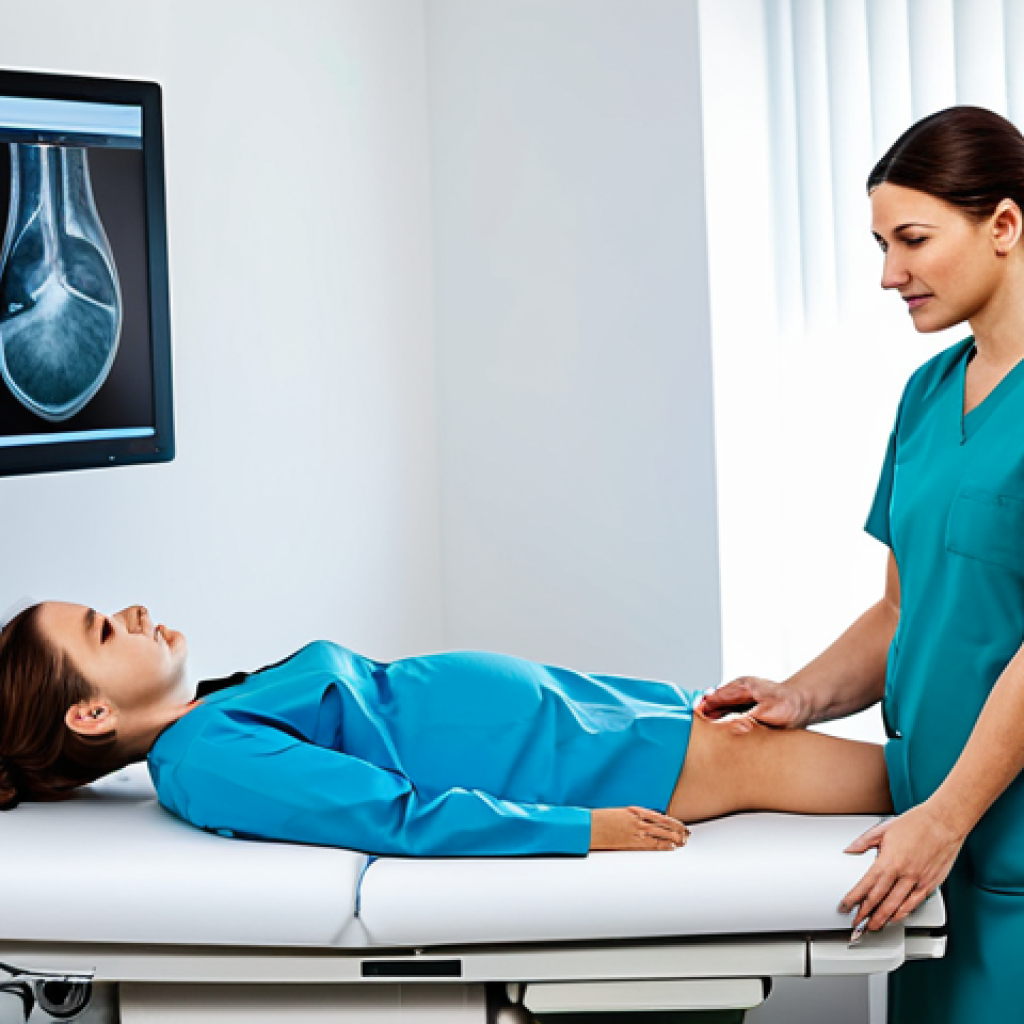
Stepping into weeks 10 to 12 of pregnancy feels like a true turning point, doesn’t it? One minute you’re just processing the news, and the next, you’re excitedly—and maybe a little nervously—imagining your baby’s future.
For me, reaching this stage was when things really started to feel real, a blend of immense joy and a flurry of questions about what crucial steps lay ahead.
It’s incredible to witness how rapidly prenatal care is evolving, with breakthroughs in early detection and personalized health insights becoming more accessible, making these initial screenings more reassuring than ever.
Understanding the purpose behind each scan and blood test during this critical window isn’t just about medical compliance; it’s about building a strong foundation for your baby’s health and your peace of mind.
We’re truly at an exciting cusp where technology and compassionate care converge to offer unprecedented clarity right from the start. Let’s explore this in detail.
Beyond the Bump: Early Screening Essentials

Stepping into the 10-week mark, I remember feeling an almost tangible shift from the initial shock and fatigue to a profound sense of anticipation. It’s during this unique window, weeks 10 to 12, that your prenatal journey truly kicks into high gear with some of the most pivotal early screenings.
For me, this wasn’t just about ticking boxes on a medical checklist; it was about gaining a clearer picture of the precious life developing inside. These early tests, while sometimes feeling a bit daunting with all the terminology, are genuinely designed to provide you and your healthcare team with invaluable information, empowering you to make informed decisions and prepare for whatever comes next.
It’s a moment where modern medicine brilliantly converges with the miracle of life, offering a surprising amount of detail about your baby’s foundational health right at the very beginning.
Honestly, the relief and clarity these screenings brought me were immeasurable, transforming abstract hope into concrete understanding.
1. The Nuchal Translucency (NT) Scan: A First Glimpse
The Nuchal Translucency scan, often simply called the NT scan, is typically performed between 11 weeks and 13 weeks 6 days of pregnancy. It’s a non-invasive ultrasound that measures the clear space, or nuchal translucency, at the back of your baby’s neck.
From my own experience, seeing my baby’s tiny form wriggling around on the screen during this scan was just breathtaking; it was the first time they really looked like a miniature human, rather than just a blob.
This measurement, when combined with your age and specific blood tests, helps assess the risk of chromosomal abnormalities like Down syndrome (Trisomy 21) and Edward syndrome (Trisomy 18).
It’s not a diagnostic test, meaning it doesn’t confirm a condition, but rather gives a probability. I remember my doctor carefully explaining that a higher measurement doesn’t necessarily mean there’s a problem, but it might suggest further investigation.
It really helped to manage my expectations and anxieties, knowing exactly what this particular scan could and couldn’t tell me.
2. Blood Work Basics: Unveiling Hidden Insights
Alongside the NT scan, a series of blood tests are typically drawn to measure specific markers, primarily pregnancy-associated plasma protein-A (PAPP-A) and human chorionic gonadotropin (hCG).
These two components, combined with the NT scan results and your age, form what’s known as the first-trimester combined screening. I recall the nurse explaining the synergy between the ultrasound and the blood work, emphasizing that they provide a more comprehensive risk assessment when analyzed together than either test could on its own.
Beyond these specific markers, your blood work at this stage will also typically screen for other important health indicators, such as your blood type, Rh status, iron levels, and immunity to certain infections like rubella or chickenpox.
It can feel like a lot of vials, but each one holds a piece of vital information about your overall health and potential implications for your pregnancy.
The sense of reassurance I felt after these initial comprehensive blood panels came back clear was immense, setting a positive tone for the weeks ahead.
Decoding the Early Test Results: What It All Means
Receiving test results during pregnancy can feel like opening a very important, sometimes nerve-wracking, letter. For me, the period between having the scans and blood tests and getting the results was filled with a mix of eager anticipation and a little bit of anxiety.
It’s absolutely normal to feel this way. Understanding what these early first-trimester screening results truly mean is crucial for your peace of mind and for planning your ongoing care.
Remember, these initial screenings are primarily about risk assessment, not definitive diagnoses. They help identify if your pregnancy falls into a higher or lower risk category for certain conditions, guiding subsequent steps if needed.
My own experience taught me that active participation and open communication with your healthcare provider are your best tools during this phase, ensuring you fully grasp the implications of your results.
1. Understanding Your Risk Assessment
When your first-trimester screening results come back, you’ll typically receive a risk assessment, often expressed as a ratio, for conditions like Down syndrome (Trisomy 21) and Edward syndrome (Trisomy 18).
For example, you might see a result like “1 in 10,000” or “1 in 100.” A lower number (e.g., 1 in 100) indicates a higher risk, while a higher number (e.g., 1 in 10,000) suggests a lower risk.
It’s incredibly important to understand that even a “high-risk” screening result doesn’t mean your baby definitely has a condition; it simply means there’s a higher probability that warrants further discussion or diagnostic testing.
I remember feeling a surge of relief when my low-risk results came back, but I also had friends who received higher risk assessments and later, through diagnostic tests, found their babies were perfectly healthy.
The key takeaway here is to view these numbers as a guide, prompting a conversation about next steps like Non-Invasive Prenatal Testing (NIPT) or more invasive procedures such as chorionic villus sampling (CVS) or amniocentesis, if deemed necessary.
2. When to Ask for Clarification
Never hesitate to ask your doctor or midwife for clarification on any aspect of your test results. This is your pregnancy, your body, and your baby, and you have every right to understand every detail.
I made it a point to write down any questions I had before my appointments, no matter how trivial they seemed, because I knew how easy it was to forget them in the moment.
Questions like “What exactly does this ratio mean for my baby?” or “What are the next steps if my risk is higher?” or “Are there any alternative tests I should consider?” are perfectly valid and important.
A good healthcare provider will take the time to explain everything clearly and address your concerns. If you leave an appointment feeling confused or anxious about your results, that’s a signal to reach out again for more clarity.
Your peace of mind is just as important as the numbers on the page.
3. The Power of Informed Decision-Making
Ultimately, the goal of these screenings and the subsequent understanding of their results is to empower you with informed decision-making. Should your initial screening indicate a higher risk, you’ll be presented with various options for further investigation.
These might include the aforementioned NIPT, CVS, or amniocentesis. Each of these tests has its own set of risks and benefits, and choosing the right path for your family involves careful consideration and discussion with your partner and healthcare team.
I found that thoroughly researching each option, understanding the accuracy rates, and discussing the potential emotional and physical implications, made me feel more in control and less overwhelmed.
The decision to pursue further testing is deeply personal, and there’s no single “right” answer. Trusting your instincts and making choices that align with your values and circumstances is paramount.
| Screening/Test | Typical Timing (Weeks) | Primary Purpose | What to Expect |
|---|---|---|---|
| Nuchal Translucency (NT) Scan | 11 weeks – 13 weeks 6 days | Assesses risk for chromosomal abnormalities (e.g., Down syndrome) | Non-invasive ultrasound; measures fluid at baby’s neck. |
| First Trimester Blood Screen | 10-13 weeks | Measures PAPP-A and hCG for chromosomal risk assessment | Blood draw; results combined with NT scan. |
| Non-Invasive Prenatal Testing (NIPT) | As early as 10 weeks | Highly accurate screening for chromosomal conditions using fetal DNA from maternal blood | Blood draw; optional, but offers greater accuracy than standard first-trimester screen. |
| Genetic Carrier Screening | Anytime (often early pregnancy) | Identifies if parents carry genes for certain inherited conditions (e.g., cystic fibrosis, sickle cell anemia) | Blood or saliva test; usually offered once per pregnancy. |
Navigating the Unpredictable: Symptoms & Self-Care
By weeks 10 to 12, most pregnant individuals are deep into the throes of first-trimester symptoms, which can be an unpredictable and sometimes exhausting rollercoaster.
While the initial euphoria of a positive test might still be there, it’s often mingled with persistent nausea, crushing fatigue, and a host of other bodily changes.
I distinctly remember moments of wondering if I’d ever feel “normal” again, especially during those relentless bouts of morning sickness that, ironically, often lasted all day.
It’s easy to feel isolated when you’re grappling with these unseen battles, but I want to assure you that what you’re experiencing is incredibly common and a sign that your body is working tirelessly to build a new life.
This period is less about fighting the symptoms and more about finding sustainable ways to cope and prioritizing radical self-care.
1. Taming the Morning Sickness Beast
“Morning sickness” is a cruel misnomer, isn’t it? For many of us, it’s an all-day, all-night affair. In my case, certain smells became immediate triggers, and even thinking about some foods would send my stomach churning.
What I personally found helpful was focusing on small, frequent meals – never letting my stomach get completely empty, which seemed to worsen the nausea.
Bland, carby foods like crackers, dry toast, or plain pasta became my best friends. Hydration was also key, even if it meant sipping water, ginger ale, or clear broths throughout the day.
Some found relief with ginger candies or acupressure wristbands. My best advice here is to experiment gently and find what works for *you*. Don’t force yourself to eat foods that turn your stomach, even if they’re “healthy.” Survival mode is perfectly acceptable during this phase.
2. Energy Dips and Mood Swings: My Personal Coping Strategies
The fatigue during weeks 10-12 hit me like a ton of bricks. It wasn’t just “tiredness”; it was an all-consuming exhaustion that made even simple tasks feel monumental.
This, coupled with hormonal surges, led to some pretty intense mood swings. One minute I’d be weeping at a commercial, the next I’d be surprisingly irritable.
My personal coping strategy revolved around two things: embracing rest unapologetically and communicating openly. * Prioritize Sleep and Naps: If you can nap, nap!
If you need to go to bed earlier, do it. Your body is building a human; it needs the rest. * Gentle Movement: While intense exercise might be off the table due to fatigue, short, gentle walks often helped clear my head and boost my mood, even if just for a little while.
* Open Communication: I found that letting my partner, close family, and even understanding colleagues know about my fatigue and mood fluctuations really helped.
It reduced the pressure to always be “on” and allowed me to ask for help without guilt. * Mindfulness/Meditation: Even 5-10 minutes of quiet breathing or a guided meditation app helped center me during emotionally turbulent moments.
3. Listening to Your Body: Red Flags to Watch For
While many symptoms are normal, it’s crucial to distinguish between typical first-trimester discomforts and potential red flags. My doctor always emphasized that if something felt “off” or significantly worse than expected, it warranted a call.
* Severe, Unrelenting Nausea/Vomiting: If you’re unable to keep any food or liquids down, or if you’re experiencing significant weight loss, it could be hyperemesis gravidarum, which requires medical attention.
* Severe Abdominal Pain or Cramping: While light cramping can be normal as your uterus grows, severe, persistent pain, especially accompanied by bleeding, needs immediate evaluation.
* Vaginal Bleeding: Any amount of bleeding should always be reported to your healthcare provider, even if it turns out to be nothing serious. * High Fever or Chills: These could indicate an infection.
* Sudden Swelling or Severe Headaches: While less common in the first trimester, always report any severe, unusual symptoms. Trust your instincts. If something feels genuinely concerning, don’t hesitate to reach out to your doctor or midwife.
It’s always better to be safe and get checked out.
The Emotional Landscape: Coping with the Ups and Downs
Oh, the emotions! If weeks 10 to 12 are marked by physical shifts, they are equally defined by a profound emotional journey. One moment, I felt an almost overwhelming surge of love and excitement for the tiny life growing inside me, dreaming of future cuddles and first steps.
The next, I’d be plagued by anxieties about everything from finances to childbirth, wondering if I was truly ready for such a monumental responsibility.
This emotional rollercoaster is an incredibly common, albeit often unspoken, part of early pregnancy. It’s a natural response to the massive hormonal changes occurring in your body and the very real psychological adjustment to impending parenthood.
For me, acknowledging these fluctuating feelings, rather than trying to suppress them, was the first step toward finding some emotional equilibrium.
1. The Surge of Emotions: From Joy to Anxiety
It’s utterly fascinating how quickly your emotional state can pivot during these weeks. The initial elation of seeing that positive test can quickly give way to a cocktail of other feelings.
I remember tearfully telling my partner how much I loved our baby, only to be consumed by a wave of intense worry about whether I’d be a good mother just an hour later.
This isn’t just “being moody”; it’s a profound neurochemical process. Hormones like progesterone and estrogen are surging, affecting neurotransmitters in your brain that regulate mood.
* Joy and Excitement: The sheer wonder of creation, anticipating milestones. * Anxiety and Fear: Worries about miscarriage (especially prevalent in the first trimester), birth, parenthood, financial strain, career changes, or even just the unknown.
* Irritability and Frustration: Often linked to fatigue, nausea, and the feeling of losing control over your body. * Tenderness and Sensitivity: Everything feels more intense, from a kind word to a sad song.
Understanding that these feelings are a normal part of the process helped me not to judge myself too harshly. It’s okay to feel them all.
2. Building Your Mental Health Toolkit
Just as you prepare for physical changes, building a mental health toolkit is essential. For me, this involved a few key strategies that truly made a difference:
* Journaling: Putting my swirling thoughts and feelings onto paper offered an incredible release.
It helped me process anxieties and celebrate small joys. * Mindfulness and Meditation Apps: Short, guided meditations focused on pregnancy or stress reduction became invaluable.
Even just five minutes a day could shift my perspective. * Connecting with Other Mums-to-Be: Hearing from others who were experiencing similar emotional swings made me feel less alone and more validated.
Online forums, local groups, or even just a trusted friend who’d been through it, provided immense comfort. * Gentle Movement: As mentioned earlier, even a short walk or some prenatal yoga could significantly lift my mood by releasing endorphins and providing a much-needed break from my thoughts.
* Prioritizing Rest: Fatigue amplifies every emotion. Allowing myself to rest without guilt directly impacted my emotional resilience.
3. Communicating with Your Partner and Support Network
One of the most vital components of navigating the emotional landscape is open and honest communication with your partner, if you have one, and your broader support network.
I quickly learned that my partner, no matter how supportive, couldn’t read my mind. I had to articulate what I was feeling, even if it felt irrational.
* Be Honest: Share your joys, your fears, your frustrations. Letting them in helps them understand how to best support you. * Ask for What You Need: Sometimes I needed a hug, sometimes I needed to be left alone, sometimes I just needed them to listen without offering solutions.
Clearly communicating these needs was crucial. * Lean on Your Village: Friends, family, or a therapist – don’t be afraid to confide in those you trust.
Having a diverse support system means you have different outlets for different needs. For example, my sister was great for a laugh and distraction, while my best friend was amazing at validating my anxieties.
Remember, you don’t have to carry the weight of these emotions alone. Sharing them is a sign of strength, not weakness.
Building Your Village: Partnering and Support
The journey through weeks 10 to 12 isn’t just about the physical and emotional changes within you; it’s also about the evolving dynamics with your support system.
This period is a fantastic opportunity to deepen connections with your partner, family, and friends, transforming a personal experience into a shared adventure.
I distinctly remember how much more ‘real’ the pregnancy felt to my partner once we started attending appointments together and discussing actual baby names or nursery ideas.
It shifted from something abstract happening to me, to a tangible reality for both of us. Cultivating a robust support network now will serve you incredibly well throughout your entire pregnancy and beyond, into the beautiful chaos of parenthood.
1. Involving Your Partner: Shared Excitement and Responsibilities
If you have a partner, their role during weeks 10-12 is invaluable. While they might not be experiencing the physical symptoms, they are very much a part of this journey.
For me, actively involving my partner helped bridge the gap between my internal experience and their external reality. * Attend Appointments Together: Seeing the ultrasound, hearing the heartbeat – these moments make the baby incredibly real for both of you.
My partner said seeing our baby on the screen was when it truly “hit” him. * Share Information: Discuss what you’re learning from your doctor, what symptoms you’re experiencing, and how you’re feeling emotionally.
This fosters empathy and understanding. * Delegate Tasks: If you’re battling fatigue or nausea, let your partner take on more household chores, cooking, or even just running errands.
My partner became a master of fetching bland snacks and turning a blind eye to the dust bunnies! * Dream Together: Start discussing baby names, nursery ideas, or parenting philosophies.
These conversations build shared excitement and a sense of partnership. * Emotional Support: Encourage them to share their own feelings and anxieties too.
This journey is big for everyone involved.
2. Friends and Family: Building Your Village
Deciding when and how to tell friends and family is a very personal choice, but once you do, they can become an incredible source of support. For many, the risk of early miscarriage decreases significantly after the first trimester, making weeks 10-12 a popular time to share the news more widely.
* Choose Wisely: Start with those you trust most and who you know will offer genuine support, not unsolicited advice or negativity. * Set Boundaries: It’s okay to politely decline advice that doesn’t resonate with you or to ask for space when you need it.
I learned early on that everyone has an opinion on pregnancy, and not all of them are helpful! * Accept Help: If someone offers to bring you a meal, help with laundry, or simply sit and chat, say yes!
This is a time to lean on others. * Connect with Experienced Parents: Friends or family members who have children can offer practical advice and emotional camaraderie that only those who’ve been there can provide.
3. Seeking Professional Guidance: When to Lean On Experts
Beyond your immediate circle, don’t underestimate the power of professional guidance. Your healthcare team is your primary resource, but there are others who can offer specialized support.
* Lactation Consultants: While it seems early, learning about breastfeeding options and resources now can ease future anxieties. * Perinatal Therapists: If you’re struggling significantly with anxiety, depression, or emotional adjustments during pregnancy, a therapist specializing in perinatal mental health can provide invaluable tools and support.
I know many who found immense relief through counseling during challenging periods. * Financial Advisors: As you start thinking about the future, speaking with a financial advisor about budgeting for a baby, parental leave, or college savings can alleviate a lot of stress.
This might seem premature, but getting a head start on financial planning can bring a surprising amount of peace of mind. Building a strong support system isn’t about being weak; it’s about being smart and ensuring you have the resources to thrive throughout your pregnancy and beyond.
It truly takes a village, and yours starts forming now.
Nourishing Growth: Diet, Exercise, and Wellness
As you move through weeks 10 to 12, the focus shifts even more keenly towards truly nourishing your body and, by extension, your growing baby. It’s a critical period for fetal development, and your choices regarding diet, gentle exercise, and overall wellness play a foundational role.
I personally found that while the nausea was still a big hurdle, trying to incorporate even small, consistent healthy habits made me feel more in control and proactive about my baby’s well-being.
It’s not about perfection, but about mindful choices that support both your health and the incredible growth happening within.
1. Essential Nutrients for Early Development
Even with morning sickness, trying to prioritize nutrient-dense foods is crucial. This period is vital for organ and neural tube development. * Folic Acid: You should already be on this, but it’s paramount for preventing neural tube defects.
Continue your prenatal vitamin religiously. * Iron: Your blood volume is increasing, so iron-rich foods (lean meats, leafy greens, fortified cereals) are important to prevent anemia and boost energy.
I personally struggled with fatigue, and ensuring my iron levels were good helped tremendously. * Calcium: For strong bones and teeth for your baby, dairy products, fortified plant milks, and leafy greens are excellent sources.
* Protein: Essential for your baby’s growth and tissue repair. Include lean meats, poultry, fish, eggs, beans, and lentils. * Omega-3 Fatty Acids: Particularly DHA, critical for brain and eye development.
Fatty fish (low-mercury options like salmon, sardines), flaxseeds, or supplements are good sources. Remember to drink plenty of water – hydration is key, especially if you’re battling nausea.
If certain “healthy” foods are unappealing, don’t fret; focus on what you *can* keep down and make up for it with your prenatal vitamin.
2. Gentle Exercise and Rest: Finding Your Balance
The fatigue of the first trimester can make the idea of exercise feel laughable. However, maintaining some form of gentle physical activity, if your doctor approves, can be incredibly beneficial for both your physical and mental well-being.
It’s not about pushing limits, but about staying active within your comfort zone. * Walking: A daily walk, even if it’s just 15-20 minutes, can do wonders for circulation, mood, and energy levels.
It was my go-to for clearing my head. * Prenatal Yoga or Pilates: These can help with flexibility, strength, and stress reduction, and many studios offer specific prenatal classes.
* Swimming: The buoyancy of water can feel wonderfully supportive and relieve pressure on your joints. * Listen to Your Body: This is the golden rule.
If you feel tired, rest. If something hurts, stop. Your body is working hard, and rest is just as important as movement.
Don’t feel guilty about prioritizing naps.
3. Navigating Food Aversions and Cravings
Food aversions and intense cravings are hallmark signs of the first trimester. I developed an intense aversion to coffee, which was once my lifeblood, and an inexplicable craving for sour candies.
These shifts can be frustrating, especially when you’re trying to eat “right.”
* Don’t Force It: If the smell of broccoli makes you gag, don’t force yourself to eat it.
There are other ways to get those nutrients. Focus on what you can tolerate. * Small, Frequent Meals: As mentioned for nausea, this helps keep blood sugar stable and can make eating more manageable.
* Experiment with Temperature: Sometimes, cold foods (smoothies, yogurt, fruit) are easier to stomach than hot, strongly scented ones. * Indulge Cravings (in Moderation): While you don’t want to live on pickles and ice cream, allowing yourself a small, controlled indulgence can sometimes prevent an overwhelming craving that leads to an unhealthy binge.
The goal is balance and feeling good, not perfect adherence to a rigid diet. This is a temporary phase, and your primary focus should be on staying nourished and feeling as well as possible.
Closing Thoughts
As you navigate through weeks 10 to 12, remember that this period, while often challenging with its array of physical symptoms and emotional shifts, is also a time of profound growth and anticipation.
It’s where the abstract idea of a baby truly begins to take shape, not just in your womb but in your mind and heart. Embrace the screenings as empowering tools, listen intently to your body’s wisdom, and allow yourself the grace to feel all the emotions that come with this incredible journey.
You are stronger and more resilient than you know, and with each passing week, you are stepping closer to meeting the little one who is already changing your world.
Useful Information
Keep a running list of questions for your healthcare provider. No question is too silly when it comes to your pregnancy.
Consider starting a registry wishlist early, even if it’s just for ideas. It can be a fun way to connect with your partner and dream about the future.
Explore local prenatal resources, such as childbirth education classes, support groups, or even prenatal yoga studios. Many offer virtual options too.
Look into your workplace’s maternity leave policies and start conversations if needed. Understanding your options early can alleviate future stress.
Download a trusted pregnancy tracking app. It can provide weekly updates on your baby’s development and help you anticipate upcoming changes.
Key Takeaways
The 10-12 week mark of pregnancy is a pivotal time for early screenings like the NT scan and blood tests, offering crucial insights into your baby’s foundational health and allowing for informed decision-making.
Navigating common first-trimester symptoms such as nausea and fatigue requires a strong focus on self-care and recognizing when to seek medical advice for potential red flags.
Emotionally, it’s a rollercoaster of joy and anxiety, making it essential to build a mental health toolkit and openly communicate with your partner and support network.
Cultivating this “village” now, including professional guidance when needed, lays a strong foundation for your entire pregnancy journey. Prioritizing essential nutrients, gentle exercise, and sufficient rest through mindful choices further nourishes both you and your growing baby.
Frequently Asked Questions (FAQ) 📖
Q: This 10-12 week window feels like the first “real” peek at the baby with all the early screenings. What are the most important ones, and honestly, what do they really tell us?
A: Oh, I totally get that feeling! It’s like, finally, you’re moving past just a positive stick and getting some tangible information. For me, the big one at this stage was the First Trimester Screening, which often combines the Nuchal Translucency (NT) scan and Non-Invasive Prenatal Testing (NIPT) blood test.
The NT scan is just incredible – you get to see your tiny bean, measure the fluid at the back of their neck, and get an early look at developing organs.
It’s truly mind-blowing to see that little heart flickering away! The NIPT, on the other hand, is a simple blood test for you that screens for common chromosomal conditions like Down syndrome with really high accuracy.
What do they really tell us? They’re primarily screening tools, offering risk assessments rather than definitive diagnoses. It’s not about jumping to conclusions but gaining peace of mind and, if needed, preparing for potential next steps.
I remember waiting for my NIPT results feeling a mix of anxious hope and quiet excitement – it truly felt like a huge step in understanding our baby’s unique health story right from the start.
It gave us so much clarity and a solid foundation to plan from.
Q: Beyond the medical stuff, what are some of the practical, day-to-day things I should be focusing on or preparing for as I enter the second trimester? My energy is a bit all over the place!
A: That’s such a vital question because pregnancy isn’t just about doctor’s appointments; it’s your everyday life, right? At weeks 10-12, many women find that the intense, relentless nausea of early pregnancy might start to finally ease up a bit – hallelujah if it does!
But if it’s still kicking around, don’t feel bad about eating what you can stomach, even if it’s just plain crackers. Listen to your body above all else.
Practically speaking, this is a fantastic time to start thinking about your social circle and who you might want to share your news with. We found it really special to tell our closest friends and family around this point, as the risk of early miscarriage drops significantly, making it feel safer to celebrate.
Also, for real-world prep, consider investing in some comfy, non-restrictive clothes. Even if you’re not showing much, bloating can be a thing, and feeling comfortable in your own skin makes a massive difference.
Don’t underestimate the power of a good, supportive bra! And honestly, just letting yourself feel the emotional shifts is okay. One minute you’re teary over a commercial, the next you’re bursting with joy.
It’s all part of the wild ride, and giving yourself grace is key.
Q: It feels like such a huge milestone reaching these weeks – I want to soak it all in. What’s a unique way to connect with my baby or embrace this early stage that isn’t just about scans and blood tests?
A: Oh, you’ve hit on something truly beautiful there. It is a huge milestone, and it’s so important to connect beyond just the clinical appointments. For me, a unique way to embrace this stage was simply by talking to my belly, even when it felt a bit silly at first.
Seriously! Your baby can’t hear you yet, but it’s an incredible way for you to start forming that bond. I’d narrate my day or just whisper hopes and dreams for them.
Another thing that really deepened the experience was starting a small “baby journal.” It wasn’t fancy, just a simple notebook where I’d jot down how I was feeling, funny cravings I had, or any little questions that popped into my head.
It creates a tangible memory of this fleeting, magical time. You could also pick out a little something for the baby – not furniture or big items, but maybe a cute tiny pair of socks or a book.
Just having that small physical representation made everything feel incredibly real and allowed me to visualize our future together. It transformed the process from a series of appointments into a deeply personal, evolving love story.
📚 References
Wikipedia Encyclopedia
구글 검색 결과
구글 검색 결과
구글 검색 결과
구글 검색 결과
구글 검색 결과