
Trying to conceive (TTC) can often feel like navigating a maze, full of hopeful anticipation mixed with a dash of uncertainty. Many of us have been right there, meticulously tracking cycles, guessing at ovulation, and wishing for a clearer sign.
That’s precisely why ovulation predictor kits, or OPKs, have truly revolutionized the journey for so many, offering a much-needed beacon. They empower you to pinpoint those crucial fertile days with impressive accuracy, taking so much of the guesswork out of the equation.
From my own personal experience, I can tell you there’s an incredible sense of control and understanding that comes with truly knowing your cycle. It’s been fascinating to witness the leaps in OPK technology, with advanced digital options and smart app-integrated fertility trackers constantly emerging, making family planning more precise and uniquely personalized.
With so many new brands and innovative features flooding the market, it’s both exciting and a little overwhelming to figure out which product is truly right for you.
But don’t you worry, I’ve delved deep into the world of OPKs for you! I’ll be sharing my tried-and-true insights on how to effectively use these incredible tools, debunking common myths, and guiding you through some of the very best products available today that I’ve personally seen deliver fantastic results.
Ready to simplify your TTC journey and significantly boost your chances of conception with confidence? Let’s get into all the helpful details right below!
Cracking Your Code: Understanding How OPKs Unveil Your Fertile Window
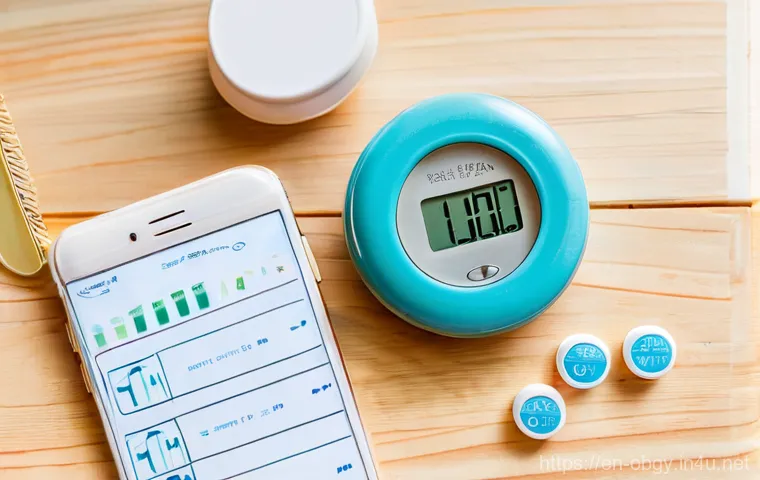
Trying to conceive can sometimes feel like solving a puzzle with missing pieces, right? When my husband and I started our journey, I was constantly second-guessing myself. Was I ovulating? When was the best time? It felt like I was just guessing, and that can be incredibly frustrating. That’s precisely why discovering Ovulation Predictor Kits (OPKs) felt like finding the decoder ring to my own body. These little wonders are designed to help you pinpoint your most fertile days by detecting a surge in a specific hormone. It’s a game-changer because suddenly, you’re not just hoping; you’re acting on real, tangible information. I remember the relief I felt the first time I got a clear positive, knowing we weren’t just shooting in the dark anymore. It gave me such a powerful sense of control and truly transformed our approach to family planning. This isn’t just about making baby-making more efficient; it’s about understanding your body on a whole new level, which, let me tell you, is incredibly empowering. It takes so much of the stress and guesswork out of the equation, allowing you to focus on the joy of the journey.
The Science Behind the Surge: LH and Ovulation
So, what exactly are we looking for with an OPK? The star of the show is Luteinizing Hormone, or LH. This amazing hormone plays a pivotal role in your menstrual cycle. A small amount of LH is always present in your body, but about 24-48 hours before you ovulate, there’s a significant, rapid increase – what we call an “LH surge.” This surge is the signal that tells your ovary to release an egg. OPKs work by detecting this very surge in your urine. When you get a positive OPK, it means your LH levels have crossed a certain threshold, indicating that ovulation is imminent. From my own experience, understanding *why* the test shows a positive made it so much easier to trust the results and feel confident in our timing. It’s not just a random line appearing; it’s a direct reflection of your body preparing for its most fertile moment. Knowing this mechanism takes away a lot of the mystery and makes you feel more connected to your own fertility.
Timing is Everything: When to Start Testing
One of the most common questions I get is, “When should I actually start using these things?” And honestly, it’s a great question because timing is crucial! You don’t want to start too early and waste expensive tests, or too late and miss your window. Generally, you’ll want to start testing a few days before your anticipated ovulation. If you have a pretty regular cycle, say 28 days, you might start testing around day 10 or 11. For those with irregular cycles, it can be a bit trickier, and you might need to test for a longer period. I always recommend using a fertility tracking app alongside your OPKs to get a better estimate of your cycle length and potential ovulation day. Most apps will give you a good idea of when to begin. For example, if your average cycle is 30 days, ovulation often happens around day 16, so you might start testing from day 12. Remember, consistency is your best friend here. Testing at roughly the same time each day (but not with your first-morning urine, more on that later!) will give you the most accurate picture. It’s all about finding *your* rhythm.
Beyond the Lines: Decoding Your OPK Results with Confidence
Once you’ve dipped those strips or pee sticks, the next big hurdle is often, “What do these lines even mean?” Trust me, I’ve stared at countless strips, tilting them in different lights, wondering if that faint second line was *the* line. It’s a rite of passage for many of us on the TTC journey! The key is to understand that with most standard OPKs, you’re not just looking for *any* second line, but a test line that is as dark as, or even darker than, the control line. This indicates a significant LH surge. It can be surprisingly nuanced, especially when you’re first starting out. Digital OPKs, with their clear smiley faces or “Yes” messages, definitely take away a lot of that interpretation stress, which for me was a huge relief on those days when my eyes just couldn’t make a definitive call. Don’t be disheartened if your first few cycles feel a bit like detective work; you’ll get the hang of it quicker than you think.
Navigating the Nuances: Faint Lines, Dark Lines, and Everything In Between
So, you’re testing daily, and you might notice a faint second line popping up on your OPK for several days before your actual surge. This is totally normal! Remember, a small amount of LH is always present in your system. What you’re looking for is that unmistakable moment when the test line darkens to match or surpass the control line. This is your positive! If you’re seeing faint lines for a long time but no dark line, or if you seem to go straight from no line to a dark line, it can be confusing. I found it really helpful to line up my used test strips in order; seeing the progression (or lack thereof) over several days made it much easier to spot the actual surge. Sometimes, my surge was quick, appearing very dark almost instantly, while other cycles it built up more gradually. This variability is why consistent daily testing is so important. Don’t throw away a slightly lighter line assuming it means nothing; it might be building towards your peak!
Common Misinterpretations and How to Avoid Them
There are a few pitfalls I definitely stumbled into when I first started using OPKs. One big one is testing too early or too late in the day. Many OPK manufacturers recommend testing in the afternoon, typically between 12 PM and 8 PM, avoiding first-morning urine. Why? Because LH is synthesized in your body in the morning, and it can take a few hours for it to show up in your urine. Testing first thing in the morning might miss your surge! Another common mistake is not holding your urine for at least 2-4 hours before testing and avoiding excessive fluid intake, as this can dilute your urine and give you a false negative. I learned this the hard way after a few seemingly “missed” surges. Also, don’t rely solely on a single test. Test daily, or even twice a day if you have a short surge, to truly catch that peak. Patience and precise timing, based on the kit’s instructions, will make all the difference in getting clear, accurate results.
From Traditional Strips to Tech-Savvy Gadgets: Exploring Your OPK Options
The world of OPKs has really expanded since I first started! It used to be just those basic test strips, which are still fantastic, but now we have so many more options. It’s like going from a basic flip phone to a smartphone – each has its place, depending on what you need and your budget. Navigating all these choices can feel a little overwhelming at first, especially with new brands and features popping up constantly. I’ve personally tried a good range of them, from the super simple to the highly advanced, and each has its own unique advantages. What works best for one person might not be ideal for another, so it’s worth thinking about what you prioritize: cost, ease of use, or perhaps the highest level of accuracy and data tracking. Let’s take a closer look at the different types you’ll encounter on your journey.
The Tried-and-True: Standard Test Strips and Midstreams
For many, including myself when I first began, the standard test strips are the entry point. They’re incredibly affordable, widely available, and get the job done. You simply dip the strip into a urine sample collected in a cup, wait a few minutes, and read the lines. The midstream tests are similar but come in a plastic casing, which makes them a bit easier and more hygienic to use – no need for a collection cup, you just pee directly on the stick. These are fantastic for daily testing, especially if you have a longer cycle or want to confirm your ovulation over several days without breaking the bank. The biggest ‘con’ is the interpretation; that dreaded ‘is it as dark as the control line?’ question can cause some anxiety. But with consistent use and a good eye, they are very reliable. I still keep a stash of these on hand for backup or just to cross-check.
Embracing Innovation: Digital and Advanced Fertility Monitors
If you’re anything like me and appreciate clarity, digital OPKs are a lifesaver. These kits take away the guesswork by giving you a clear “YES” or a smiley face when your LH surge is detected. No more squinting at faint lines! They’re typically more expensive than traditional strips but the peace of mind they offer is, for many, worth every penny. Beyond digital, we also have advanced fertility monitors. These are the true powerhouses, often tracking not just LH but also estrogen, which can identify a wider fertile window, sometimes up to six days! Some even integrate with apps, providing a personalized calendar and daily insights. I’ve dabbled with a few of these, and the data they provide can be incredibly insightful, especially if you have an irregular cycle or just love having all the information at your fingertips. They do require a bigger upfront investment, and you often need to purchase specific test sticks, but for some, the comprehensive data and increased accuracy make them invaluable tools.
| OPK Type | How It Works | Pros | Cons |
|---|---|---|---|
| Standard Test Strips | Detects LH surge via a urine sample, showing lines. | Affordable, readily available, good for daily testing. | Requires manual interpretation, can be messy. |
| Midstream Tests | Similar to strips but with a plastic casing for easier use. | More hygienic, slightly easier to handle than strips. | More expensive than strips, still requires interpretation. |
| Digital OPKs | Displays “yes” or “no” or a smiley face, removing ambiguity. | Clear results, easy to read, reduces interpretation stress. | More expensive, requires specific test sticks. |
| Advanced Fertility Monitors | Tracks multiple hormones (LH, estrogen) and offers a wider fertile window. | Highly accurate, identifies more fertile days, comprehensive data. | Significant investment, takes more time to learn. |
My Personal Toolkit: Essential Tips for OPK Success
After navigating the world of OPKs for a while, I’ve definitely picked up a few tricks that I wish I knew when I first started. It’s not just about buying the kit; it’s about making it work optimally for *your* body and *your* journey. These are the little nuggets of wisdom that have made a tangible difference for me and countless others I’ve chatted with. It’s about building a routine, understanding your body’s unique signals, and combining different approaches for a more complete picture. Think of these as your secret weapons in the TTC arsenal. When you apply these tips, you’re not just taking a test; you’re engaging in a proactive, informed approach to conception, and that, in itself, is incredibly empowering. It’s about creating an environment where success is more likely, and you feel more in control of the process rather than feeling like a passive observer.
Consistency is Key: Establishing Your Testing Routine
I cannot stress this enough: consistency is paramount when using OPKs. Testing at roughly the same time every day, ideally in the afternoon between noon and 8 PM, yields the most reliable results. I found that setting a daily alarm on my phone was a game-changer. It ensured I didn’t forget and helped me establish a consistent window. Avoid using your first-morning urine because LH is produced in your body overnight, and it takes a few hours to metabolize and show up in your urine. Also, try not to drink excessive amounts of fluids for about 2-4 hours before your test, as this can dilute your urine and potentially give you a false negative. Think of it like this: you’re trying to catch a wave, and you need to be at the beach at the right time, watching closely. A consistent routine minimizes variables and gives you the clearest possible view of your LH surge, making your journey much smoother and far less frustrating.
Beyond the Kit: Pairing OPKs with Other Fertility Awareness Methods
While OPKs are fantastic, they truly shine when used in conjunction with other fertility awareness methods (FAMs). For me, combining OPKs with basal body temperature (BBT) charting and cervical mucus tracking provided a comprehensive understanding of my cycle. OPKs tell you that ovulation is *about* to happen, but BBT charting confirms that ovulation *did* happen. After ovulation, your BBT typically rises and stays elevated due to the release of progesterone. This post-ovulation temperature shift is crucial for confirming your fertile window. Cervical mucus changes are another incredible indicator; tracking these changes can give you early warning signs of approaching fertility. Together, these methods paint a much fuller picture than any one method can alone. I remember feeling like a super-sleuth, piecing together all these clues about my body. It gave me such a deep connection to my cycle and truly boosted my confidence in identifying our peak fertile days.
When Things Get Tricky: Troubleshooting Common OPK Challenges
Let’s be real, the TTC journey is rarely a straight line, and sometimes OPKs can throw us a curveball. I’ve definitely had my moments of frustration, wondering if I was doing something wrong or if my body was just being uncooperative. It’s totally normal to encounter some bumps along the way, whether it’s confusing results, seemingly missed surges, or just feeling like the tests aren’t quite working for you. The important thing is to remember that you’re not alone in these experiences, and there are often simple explanations or solutions. Understanding these common challenges and knowing how to navigate them can save you a lot of stress and keep you moving forward with confidence. Don’t let a few tricky test results derail your optimism; let’s figure out how to tackle them head-on.
Dealing with Irregular Cycles and False Positives
If you have an irregular cycle, OPKs can be both a blessing and a curse. While they can help pinpoint ovulation when your cycle length is unpredictable, you might find yourself testing for a longer duration, which can get costly and sometimes disheartening. For those with conditions like PCOS, you might experience multiple LH surges throughout your cycle without actual ovulation, leading to frustrating “false positives.” If you’re consistently getting positives but no temperature rise (if you’re also tracking BBT), or if your periods are very erratic, this could be a sign. In such cases, it’s crucial not to rely solely on OPKs. Consider advanced fertility monitors that track multiple hormones, or even consulting with a healthcare professional to get a clearer picture. I’ve heard from many women who found immense relief in understanding these nuances, realizing it wasn’t a failure on their part, but rather a unique aspect of their fertility journey that needed a slightly different approach.
Seeking Professional Guidance: When to Ask for Help
While OPKs are fantastic tools for empowering you with knowledge, there comes a point for some where professional medical advice becomes invaluable. If you’ve been consistently using OPKs for several months, timing intercourse correctly, and still aren’t conceiving, it might be time to chat with your doctor. Generally, if you’re under 35 and have been trying for a year, or over 35 and have been trying for six months, it’s a good idea to seek medical advice. If you’re experiencing highly irregular cycles, have known fertility issues, or suspect something might be amiss, don’t hesitate to reach out sooner. Your doctor can run further tests, explore other factors that might be affecting your fertility, and offer personalized guidance. Remember, OPKs are a tool, not a diagnostic device. They help you understand your cycle, but a healthcare professional can provide the deeper insights and support you might need on this incredibly personal journey.
Unlocking Your Full Potential: Integrating OPKs for a Smoother TTC Journey
Ultimately, using OPKs isn’t just about getting a positive line; it’s about empowering yourself with knowledge and fostering a deeper connection with your body. I truly believe that understanding your cycle, even if it feels like a marathon sometimes, can make the entire trying-to-conceive journey feel less daunting and more hopeful. It transforms a process that can feel incredibly overwhelming into a series of understandable steps. When you know *when* your body is most ready, it allows you to approach intimacy with intention and joy, rather than just obligation or guesswork. I’ve seen firsthand how this shift in mindset, driven by the clarity OPKs provide, can dramatically reduce stress and bring a sense of calm to what can otherwise be a very anxious time. It’s about optimizing your chances while also nurturing your emotional well-being, which is just as important.
The Power of Patience: Embracing the Process
One of the hardest lessons I learned on my TTC journey, even with the help of OPKs, was the power of patience. It’s easy to get caught up in the daily testing, the anticipation, and the two-week wait. But sometimes, despite doing everything “right,” it still takes time. OPKs give you the data, but your body and nature have their own timeline. I remember feeling so deflated when a cycle didn’t result in a pregnancy, even after a perfectly timed positive OPK. It’s important to acknowledge those feelings, but then gently remind yourself that each cycle is a new opportunity. Embrace the process, learn from each month, and trust that you’re doing everything you can to create the best possible conditions. It’s a marathon, not a sprint, and cultivating patience will serve you well, not just in TTC but in all aspects of life.
Celebrating Small Victories: Maintaining Positivity
It’s so easy to get fixated on the ultimate goal when you’re trying to conceive, but I’ve found it incredibly helpful to celebrate the smaller victories along the way. Getting a clear positive OPK? That’s a victory! Accurately charting your BBT? Another victory! Even just understanding your cycle better than you did last month is a huge step forward. These small wins, when acknowledged, can fuel your optimism and keep you motivated. The TTC journey can be an emotional rollercoaster, and intentionally seeking out reasons to be positive can make a profound difference. Surround yourself with supportive friends, indulge in self-care, and remember that you are doing an amazing job. Every step you take to understand your body better and optimize your chances is a testament to your dedication and hope. Keep that spark of positivity alive, and you’ll find the journey, however long, much more manageable.
글을 마치며
Whew! What a journey we’ve been on, diving deep into the fascinating world of Ovulation Predictor Kits. It truly is incredible how these simple tools can transform a sometimes-stressful journey into one filled with more clarity and control. For me, understanding my cycle through OPKs wasn’t just about pinpointing the fertile window; it was about building a profound connection with my own body, listening to its subtle cues, and feeling incredibly empowered. It shifted my mindset from anxious uncertainty to hopeful anticipation, and that emotional well-being is just as vital as any physical aspect of conception. Remember, every step you take to understand your unique rhythm is a victory, laying the groundwork for a more intentional and joyful path towards building your family. Keep that spark of knowledge alive, trust your instincts, and celebrate every small win along the way. This journey is yours, and you’re navigating it beautifully.
알아두면 쓸모 있는 정보
Navigating the nuances of your fertility journey can feel like a lot to take in, but I’ve gathered some truly game-changing insights that have helped me and countless others on the path to conception. Think of these as your personal cheat sheet for maximizing your chances and maintaining your sanity!
-
Consistent Timing is Your Secret Weapon: Always try to test around the same time each day, ideally between 12 PM and 8 PM. LH levels build up during the day, so testing too early in the morning might actually miss your peak. Seriously, setting a daily alarm can make all the difference and prevent those “oops, I forgot!” moments!
-
Ditch the Morning Pee (for OPKs, at least!): Unlike pregnancy tests, your first-morning urine isn’t ideal for OPKs. Give your body a few hours after waking up to process and excrete the LH surge. Plus, try to limit fluid intake for a couple of hours before testing to avoid diluting your urine and getting a false negative. Hydration is great, but timing is everything here!
-
Combine and Conquer with Other FAMs: OPKs are brilliant, but they become even more powerful when paired with Basal Body Temperature (BBT) charting and cervical mucus (CM) tracking. OPKs predict, BBT confirms ovulation, and CM gives you early warning signs. This trifecta creates a comprehensive picture of your fertility, letting you be a true detective of your own cycle!
-
Irregular Cycles? Don’t Despair! If your cycles are a bit unpredictable, you might need to test for a longer duration. Consider investing in a larger pack of strips or exploring advanced fertility monitors that track multiple hormones. And remember, if you suspect conditions like PCOS are affecting your results, a chat with your doctor can provide invaluable clarity and tailored guidance.
-
Know When to Call in the Experts: While OPKs empower you with knowledge, they aren’t diagnostic tools. If you’re under 35 and have been consistently trying for a year, or over 35 and trying for six months, it’s a smart move to consult a healthcare professional. They can offer deeper insights, investigate any underlying issues, and provide personalized support to help you achieve your dreams.
중요 사항 정리
To wrap things up, mastering Ovulation Predictor Kits is about gaining confidence and control on your fertility journey. The core takeaway is that OPKs help you pinpoint your LH surge, which signals imminent ovulation, giving you the best chance to time intercourse effectively. Whether you opt for budget-friendly strips or high-tech digital monitors, consistency in testing and understanding how to interpret your results are paramount. Remember to test in the afternoon, avoid diluted urine, and consider combining OPKs with other fertility awareness methods like BBT and cervical mucus tracking for a truly comprehensive picture. Most importantly, trust your body, be patient with the process, and never hesitate to seek professional advice if you have concerns. This journey is unique to you, and being informed is your greatest asset.
Frequently Asked Questions (FAQ) 📖
Q: How exactly do OPKs work and when should I actually start testing during my cycle?
A: This is such a fundamental question, and honestly, understanding the “why” behind OPKs made a huge difference for me! Basically, Ovulation Predictor Kits are designed to detect a surge in Luteinizing Hormone (LH) in your urine.
This LH surge is your body’s way of saying, “Hey, big news! Ovulation is coming in the next 12-36 hours!” It’s a pretty clever system when you think about it.
You see, a tiny part of your brain sends a signal, your body ramps up LH production, and that’s what these little sticks pick up. Now, for when to start testing – this is where a lot of us can get a bit confused.
It really depends on the length of your typical menstrual cycle. If you have a pretty standard 28-day cycle, you might want to start around day 10 or 11.
But if your cycles are shorter, say 24 days, you’d want to kick things off a bit earlier, maybe day 8 or 9. For longer cycles, like 35 days, you’d start much later, around day 17 or 18.
The key is to figure out your average cycle length. I’ve found that using a simple fertility app to log your periods for a couple of months gives you a great starting point.
Then, you typically start testing a few days before you expect your LH surge, just to make sure you don’t miss that crucial window. Remember, consistency is key, and testing around the same time each day (but not with your very first morning urine, as LH can take a bit to show up in your pee after it surges) will give you the most reliable results!
It takes a little practice, but once you get into the rhythm, it feels totally natural.
Q: I’ve been using OPKs, but I’m either getting confusing results or no clear positive. What could be going on?
A: Oh, my goodness, I completely relate to this! It can be incredibly frustrating and frankly, a bit disheartening when you’re diligently testing and just not seeing that clear positive line.
Believe me, I’ve been there, staring at a faint line, wondering if my eyes were playing tricks on me! There are a few common reasons why this might be happening.
First, let’s talk about timing. Are you testing at the right time of day? For most OPKs, it’s recommended to test in the afternoon or early evening, after you’ve held your urine for a few hours.
First-morning urine can sometimes miss the surge because LH often rises later in the day. Also, make sure you’re not over-hydrating before testing, as diluted urine can make it harder for the test to pick up the LH.
Secondly, some women have a very short LH surge, often referred to as a “flash surge.” If you’re only testing once a day, you might be missing it entirely!
For a while, I started testing twice a day during my suspected fertile window – once in the late morning and once in the early evening – and that made all the difference in catching my peak.
It’s also worth considering your cycle regularity. If your cycles are very irregular, pinpointing your fertile window can be more challenging. In these cases, sometimes using a more sensitive OPK or even combining OPKs with basal body temperature (BBT) tracking can give you a clearer picture.
And remember, a faint line is common before or after your peak; you’re looking for that line that’s as dark as, or darker than, the control line to signify a true positive.
Don’t stress too much if you have a lot of “almost there” lines! Keep at it, and you’ll likely crack the code for your unique cycle.
Q: Are digital OPKs really better than traditional ones, and which type do you recommend for someone starting out?
A: This is a fantastic question because the market is absolutely flooded with options, and it can be tough to discern what’s actually worth your money and your peace of mind!
From my personal experience, I’ve found that both traditional strip OPKs and digital OPKs have their place, and “better” really depends on what you’re looking for and your budget.
Traditional strip OPKs are usually more affordable, which is a huge plus if you plan to test frequently or over many cycles. They give you those lines to interpret, and while it takes a bit of practice to confidently read them, once you get the hang of it, they’re perfectly effective.
I remember staring at those lines, trying to decide if it was dark enough, and honestly, sometimes it felt like a puzzle! Digital OPKs, on the other hand, take all the guesswork out of it.
They typically display a clear “YES” or a smiley face when you’ve hit your LH surge, which can be incredibly reassuring. There’s no squinting or second-guessing!
Some advanced digital OPKs even track estrogen in addition to LH, giving you an even wider “fertile window” indication, often showing high fertility days before your peak fertility.
While they tend to be pricier, the clarity they offer can be invaluable, especially when you’re just starting out and feeling overwhelmed. For someone just dipping their toes into the world of OPKs, if your budget allows, I’d honestly lean towards starting with a digital OPK for the first cycle or two.
That clear “smiley face” or “YES” removes so much stress and helps you build confidence in understanding your body’s signals. Once you’re more familiar with your cycle’s patterns, you might find that you can switch to the more economical strip tests without losing any accuracy.
It’s all about finding what makes your TTC journey feel less like a chore and more like an empowering step forward!