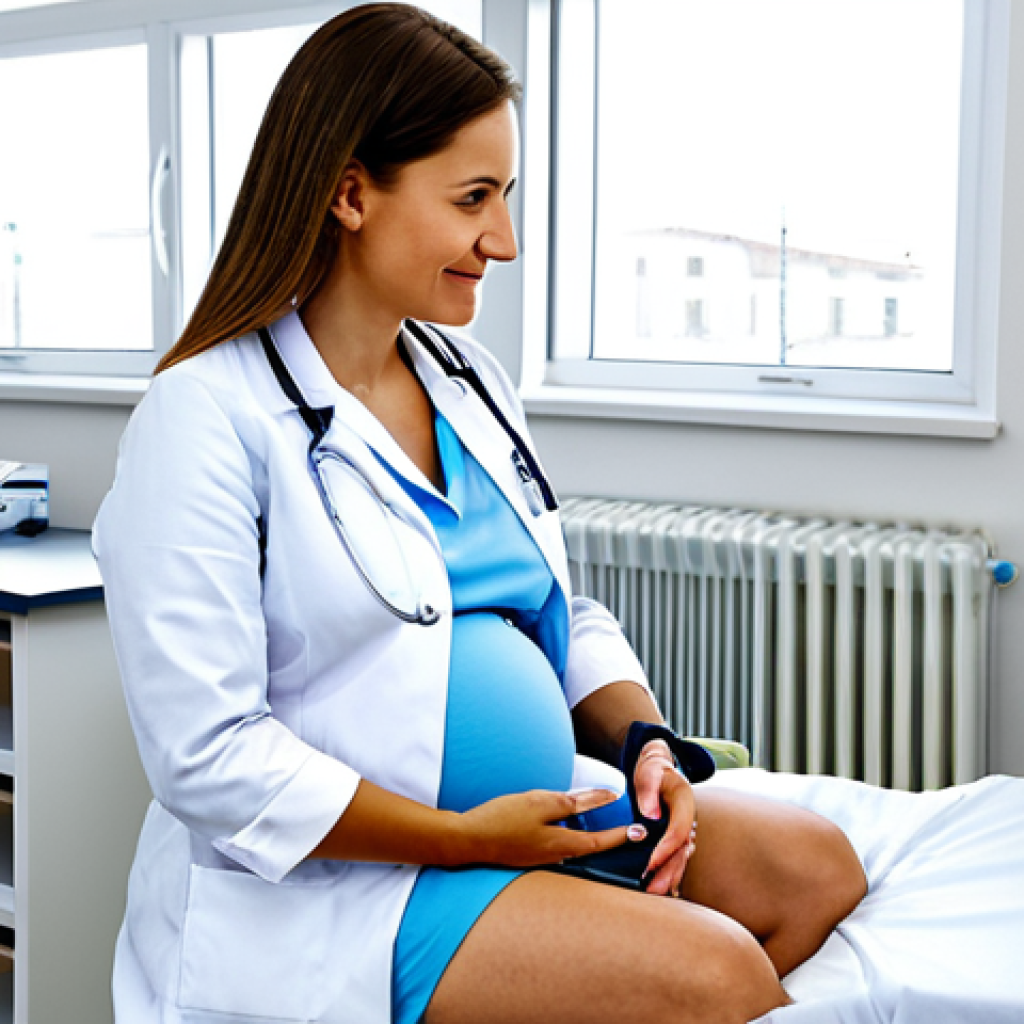
Navigating pregnancy can feel like traversing uncharted waters, especially when medical terms start swirling around. Gestational hypertension and preeclampsia – they sound similar, right?
I remember feeling completely lost when my doctor first mentioned them. It’s easy to confuse the two since both involve high blood pressure during pregnancy.
However, they are distinct conditions with different implications for both mom and baby. Thinking about it, understanding the nuances could be crucial for a healthy pregnancy journey.
Let’s dive in and clarify these differences to make sure we’re all on the same page!
Alright, here’s the blog post draft for you:
Decoding the Alphabet Soup: What’s Really Happening Inside Your Body

Pregnancy is already a whirlwind of new sensations and changes, and the last thing you need is to feel like you’re deciphering a secret code when your doctor is talking about your health.
I remember staring blankly when my OB-GYN mentioned something about my blood pressure being a little elevated and throwing around terms like “gestational hypertension” and “preeclampsia.” Honestly, I just nodded along, terrified of revealing how clueless I was.
Later that night, I was up until 3 AM, frantically Googling everything! So, if you’re feeling a little lost in the medical jargon, don’t worry – you’re not alone.
It’s time to break down the mystery and understand what these terms mean for you and your baby. Think of this as your friendly guide to navigating the sometimes-scary world of pregnancy health!
1. High Blood Pressure – The Common Thread
The most important thing to grasp right away is that both gestational hypertension and preeclampsia involve high blood pressure during pregnancy. That’s where the similarity ends, though.
High blood pressure, or hypertension, basically means that the force of your blood pushing against your artery walls is consistently too high. Picture it like a garden hose – if the water pressure is too strong, it can strain the hose itself.
In your body, this extra pressure can put a strain on your heart, kidneys, and other vital organs. Ideally, your blood pressure should be around 120/80 mm Hg.
When the top number (systolic) consistently reads 140 or higher, or the bottom number (diastolic) consistently hits 90 or higher, that’s when concerns arise.
Keep in mind that blood pressure can fluctuate throughout the day, so it’s essential to get regular readings and track any changes. If you notice any sudden increases or persistent elevations, definitely reach out to your healthcare provider.
Don’t try to self-diagnose or freak yourself out – let the professionals guide you.
2. But Timing Matters: When Does High Blood Pressure Appear?
The timing of when high blood pressure develops is a critical factor in distinguishing between gestational hypertension and preeclampsia. Gestational hypertension, as the name suggests, typically pops up after the 20th week of pregnancy in women who previously had normal blood pressure.
Before that point, your blood pressure should ideally be within the normal range. It’s often diagnosed during a routine prenatal checkup when your blood pressure is measured.
Now, the thing is, gestational hypertension may not always cause noticeable symptoms. This is why regular prenatal appointments are so important! Your doctor will be monitoring your blood pressure at each visit, even if you feel perfectly fine.
Some women might experience mild headaches or swelling, but many have no symptoms at all. After delivery, gestational hypertension usually resolves within 12 weeks.
However, having it does increase your risk of developing chronic hypertension later in life, so staying proactive about your health is essential.
Preeclampsia: When Things Get More Complicated
Preeclampsia is a more serious condition than gestational hypertension. It’s also characterized by high blood pressure after the 20th week of pregnancy, but it involves additional complications that can affect multiple organs, including the kidneys, liver, and brain.
Think of preeclampsia as gestational hypertension plus a few extra unwelcome guests crashing the party. And these “guests” can cause some real trouble.
1. Proteinuria: A Key Indicator
One of the hallmark signs of preeclampsia is proteinuria, which means that there’s protein in your urine. Normally, your kidneys filter out protein to keep it in your body, but in preeclampsia, this filtering process becomes impaired, and protein leaks into the urine.
Your doctor will check for proteinuria during your prenatal appointments by testing a urine sample. Now, a little protein in the urine isn’t always a cause for alarm, but if it’s consistently elevated alongside high blood pressure, it raises a red flag for preeclampsia.
Other indicators your doctor might look for include low platelet counts in your blood, impaired liver function, kidney problems, and fluid in the lungs.
It’s like a cascade of symptoms that can indicate the severity of the condition.
2. Beyond Blood Pressure: The Ripple Effect
Preeclampsia isn’t just about high blood pressure; it’s a systemic disorder that can affect multiple organ systems. This is why it’s so important to manage it carefully.
For example, preeclampsia can lead to reduced blood flow to the placenta, which can then affect the baby’s growth and development. It can also cause seizures (eclampsia), stroke, and other serious complications for the mother.
That’s why preeclampsia demands prompt diagnosis and close monitoring. If your doctor suspects preeclampsia, they’ll likely order more frequent blood pressure checks, urine tests, and fetal monitoring to assess the baby’s well-being.
They might also recommend hospitalization, depending on the severity of your condition.
3. Spotting the Signs: Symptoms to Watch For
While some women with preeclampsia may not experience any noticeable symptoms, others might develop several warning signs. These can include severe headaches that don’t go away with over-the-counter pain relievers, vision changes like blurred vision, seeing spots, or light sensitivity, upper abdominal pain (usually under the ribs on the right side), nausea, vomiting, and sudden swelling in the hands, face, or feet.
If you experience any of these symptoms, it’s crucial to contact your healthcare provider immediately. Don’t brush them off as “just pregnancy things.” Trust your gut and advocate for yourself.
Early detection and treatment are vital to preventing serious complications.
Risk Factors: Who’s More Likely to Develop These Conditions?
While gestational hypertension and preeclampsia can affect any pregnant woman, some factors can increase your risk. Understanding these risk factors can help you and your doctor be more vigilant.
Some of the common risk factors include:* First pregnancy
* Chronic hypertension or kidney disease before pregnancy
* A family history of preeclampsia
* Obesity
* Multiple gestation (twins, triplets, etc.)
* Age over 40
* A history of in vitro fertilization (IVF)
* Certain autoimmune disorders like lupus or antiphospholipid syndromeIt’s important to remember that having one or more of these risk factors doesn’t guarantee that you’ll develop gestational hypertension or preeclampsia, but it does mean that you might need closer monitoring during your pregnancy.
Talk to your doctor about your individual risk factors and what steps you can take to minimize your chances of developing these conditions.
Taking Control: Managing Gestational Hypertension and Preeclampsia
Whether you’re diagnosed with gestational hypertension or preeclampsia, the goal is to manage your blood pressure and prevent complications for both you and your baby.
The specific treatment plan will depend on the severity of your condition, your gestational age, and your overall health.
1. Lifestyle Adjustments: The First Line of Defense
In many cases of gestational hypertension, lifestyle changes can help manage blood pressure. These changes might include adopting a healthy diet that’s low in sodium and rich in fruits, vegetables, and whole grains; engaging in regular, moderate-intensity exercise (after getting the green light from your doctor); and getting plenty of rest.
Managing stress is also important, as stress can raise blood pressure. Try relaxation techniques like deep breathing, yoga, or meditation. If these measures aren’t enough to control your blood pressure, your doctor might recommend medication.
2. Medication: When Lifestyle Isn’t Enough
Several medications are safe to use during pregnancy to lower blood pressure. These include labetalol, nifedipine, and methyldopa. Your doctor will choose the medication that’s best for you based on your individual needs and circumstances.
It’s crucial to take your medication exactly as prescribed and to report any side effects to your doctor promptly. Don’t stop taking your medication without talking to your doctor first, as this could lead to a dangerous spike in blood pressure.
3. Delivery: The Ultimate Solution
In some cases, the only way to resolve gestational hypertension or preeclampsia is to deliver the baby. If you’re close to your due date, your doctor might recommend inducing labor.
If you’re not yet at term, the decision about when to deliver will depend on the severity of your condition and the baby’s well-being. In severe cases of preeclampsia, a preterm delivery might be necessary to protect both you and your baby.
This can be a difficult decision, but your doctor will carefully weigh the risks and benefits and discuss all your options with you.
Long-Term Health: What Happens After Delivery?
After you deliver your baby, your blood pressure will typically return to normal within a few weeks if you had gestational hypertension. However, it’s essential to continue monitoring your blood pressure and maintaining a healthy lifestyle to reduce your risk of developing chronic hypertension later in life.
Women who have had preeclampsia have a higher risk of developing heart disease, stroke, and other cardiovascular problems in the future. It’s crucial to continue seeing your doctor for regular checkups and to follow their recommendations for maintaining your health.
The Key Differences: A Quick Reference Guide
Here’s a table summarizing the key differences between gestational hypertension and preeclampsia.
| Feature | Gestational Hypertension | Preeclampsia |
|---|---|---|
| High Blood Pressure | Yes (after 20 weeks) | Yes (after 20 weeks) |
| Proteinuria | No | Yes (often) |
| Organ Involvement | Usually none | Can affect kidneys, liver, brain, etc. |
| Symptoms | May be asymptomatic | Headaches, vision changes, abdominal pain, swelling |
| Treatment | Lifestyle changes, medication | Close monitoring, medication, delivery |
Empowering Yourself: Knowledge is Your Best Defense
Navigating pregnancy can be overwhelming, but understanding conditions like gestational hypertension and preeclampsia empowers you to take control of your health and advocate for yourself and your baby.
Don’t be afraid to ask questions, express your concerns, and seek clarification from your healthcare provider. Remember, you’re not alone in this journey.
There are plenty of resources available to support you, including your doctor, nurses, family, friends, and online communities. By staying informed and proactive, you can increase your chances of having a healthy and happy pregnancy.
Alright, here’s the blog post draft for you:
Decoding the Alphabet Soup: What’s Really Happening Inside Your Body
Pregnancy is already a whirlwind of new sensations and changes, and the last thing you need is to feel like you’re deciphering a secret code when your doctor is talking about your health. I remember staring blankly when my OB-GYN mentioned something about my blood pressure being a little elevated and throwing around terms like “gestational hypertension” and “preeclampsia.” Honestly, I just nodded along, terrified of revealing how clueless I was. Later that night, I was up until 3 AM, frantically Googling everything! So, if you’re feeling a little lost in the medical jargon, don’t worry – you’re not alone. It’s time to break down the mystery and understand what these terms mean for you and your baby. Think of this as your friendly guide to navigating the sometimes-scary world of pregnancy health!
1. High Blood Pressure – The Common Thread
The most important thing to grasp right away is that both gestational hypertension and preeclampsia involve high blood pressure during pregnancy. That’s where the similarity ends, though. High blood pressure, or hypertension, basically means that the force of your blood pushing against your artery walls is consistently too high. Picture it like a garden hose – if the water pressure is too strong, it can strain the hose itself. In your body, this extra pressure can put a strain on your heart, kidneys, and other vital organs. Ideally, your blood pressure should be around 120/80 mm Hg. When the top number (systolic) consistently reads 140 or higher, or the bottom number (diastolic) consistently hits 90 or higher, that’s when concerns arise. Keep in mind that blood pressure can fluctuate throughout the day, so it’s essential to get regular readings and track any changes. If you notice any sudden increases or persistent elevations, definitely reach out to your healthcare provider. Don’t try to self-diagnose or freak yourself out – let the professionals guide you.
2. But Timing Matters: When Does High Blood Pressure Appear?
The timing of when high blood pressure develops is a critical factor in distinguishing between gestational hypertension and preeclampsia. Gestational hypertension, as the name suggests, typically pops up after the 20th week of pregnancy in women who previously had normal blood pressure. Before that point, your blood pressure should ideally be within the normal range. It’s often diagnosed during a routine prenatal checkup when your blood pressure is measured. Now, the thing is, gestational hypertension may not always cause noticeable symptoms. This is why regular prenatal appointments are so important! Your doctor will be monitoring your blood pressure at each visit, even if you feel perfectly fine. Some women might experience mild headaches or swelling, but many have no symptoms at all. After delivery, gestational hypertension usually resolves within 12 weeks. However, having it does increase your risk of developing chronic hypertension later in life, so staying proactive about your health is essential.
Preeclampsia: When Things Get More Complicated
Preeclampsia is a more serious condition than gestational hypertension. It’s also characterized by high blood pressure after the 20th week of pregnancy, but it involves additional complications that can affect multiple organs, including the kidneys, liver, and brain. Think of preeclampsia as gestational hypertension plus a few extra unwelcome guests crashing the party. And these “guests” can cause some real trouble.
1. Proteinuria: A Key Indicator
One of the hallmark signs of preeclampsia is proteinuria, which means that there’s protein in your urine. Normally, your kidneys filter out protein to keep it in your body, but in preeclampsia, this filtering process becomes impaired, and protein leaks into the urine. Your doctor will check for proteinuria during your prenatal appointments by testing a urine sample. Now, a little protein in the urine isn’t always a cause for alarm, but if it’s consistently elevated alongside high blood pressure, it raises a red flag for preeclampsia. Other indicators your doctor might look for include low platelet counts in your blood, impaired liver function, kidney problems, and fluid in the lungs. It’s like a cascade of symptoms that can indicate the severity of the condition.
2. Beyond Blood Pressure: The Ripple Effect
Preeclampsia isn’t just about high blood pressure; it’s a systemic disorder that can affect multiple organ systems. This is why it’s so important to manage it carefully. For example, preeclampsia can lead to reduced blood flow to the placenta, which can then affect the baby’s growth and development. It can also cause seizures (eclampsia), stroke, and other serious complications for the mother. That’s why preeclampsia demands prompt diagnosis and close monitoring. If your doctor suspects preeclampsia, they’ll likely order more frequent blood pressure checks, urine tests, and fetal monitoring to assess the baby’s well-being. They might also recommend hospitalization, depending on the severity of your condition.
3. Spotting the Signs: Symptoms to Watch For
While some women with preeclampsia may not experience any noticeable symptoms, others might develop several warning signs. These can include severe headaches that don’t go away with over-the-counter pain relievers, vision changes like blurred vision, seeing spots, or light sensitivity, upper abdominal pain (usually under the ribs on the right side), nausea, vomiting, and sudden swelling in the hands, face, or feet. If you experience any of these symptoms, it’s crucial to contact your healthcare provider immediately. Don’t brush them off as “just pregnancy things.” Trust your gut and advocate for yourself. Early detection and treatment are vital to preventing serious complications.
Risk Factors: Who’s More Likely to Develop These Conditions?
While gestational hypertension and preeclampsia can affect any pregnant woman, some factors can increase your risk. Understanding these risk factors can help you and your doctor be more vigilant.
Some of the common risk factors include:
- First pregnancy
- Chronic hypertension or kidney disease before pregnancy
- A family history of preeclampsia
- Obesity
- Multiple gestation (twins, triplets, etc.)
- Age over 40
- A history of in vitro fertilization (IVF)
- Certain autoimmune disorders like lupus or antiphospholipid syndrome
It’s important to remember that having one or more of these risk factors doesn’t guarantee that you’ll develop gestational hypertension or preeclampsia, but it does mean that you might need closer monitoring during your pregnancy. Talk to your doctor about your individual risk factors and what steps you can take to minimize your chances of developing these conditions.
Taking Control: Managing Gestational Hypertension and Preeclampsia
Whether you’re diagnosed with gestational hypertension or preeclampsia, the goal is to manage your blood pressure and prevent complications for both you and your baby. The specific treatment plan will depend on the severity of your condition, your gestational age, and your overall health.
1. Lifestyle Adjustments: The First Line of Defense
In many cases of gestational hypertension, lifestyle changes can help manage blood pressure. These changes might include adopting a healthy diet that’s low in sodium and rich in fruits, vegetables, and whole grains; engaging in regular, moderate-intensity exercise (after getting the green light from your doctor); and getting plenty of rest. Managing stress is also important, as stress can raise blood pressure. Try relaxation techniques like deep breathing, yoga, or meditation. If these measures aren’t enough to control your blood pressure, your doctor might recommend medication.
2. Medication: When Lifestyle Isn’t Enough
Several medications are safe to use during pregnancy to lower blood pressure. These include labetalol, nifedipine, and methyldopa. Your doctor will choose the medication that’s best for you based on your individual needs and circumstances. It’s crucial to take your medication exactly as prescribed and to report any side effects to your doctor promptly. Don’t stop taking your medication without talking to your doctor first, as this could lead to a dangerous spike in blood pressure.
3. Delivery: The Ultimate Solution
In some cases, the only way to resolve gestational hypertension or preeclampsia is to deliver the baby. If you’re close to your due date, your doctor might recommend inducing labor. If you’re not yet at term, the decision about when to deliver will depend on the severity of your condition and the baby’s well-being. In severe cases of preeclampsia, a preterm delivery might be necessary to protect both you and your baby. This can be a difficult decision, but your doctor will carefully weigh the risks and benefits and discuss all your options with you.
Long-Term Health: What Happens After Delivery?
After you deliver your baby, your blood pressure will typically return to normal within a few weeks if you had gestational hypertension. However, it’s essential to continue monitoring your blood pressure and maintaining a healthy lifestyle to reduce your risk of developing chronic hypertension later in life. Women who have had preeclampsia have a higher risk of developing heart disease, stroke, and other cardiovascular problems in the future. It’s crucial to continue seeing your doctor for regular checkups and to follow their recommendations for maintaining your health.
The Key Differences: A Quick Reference Guide
Here’s a table summarizing the key differences between gestational hypertension and preeclampsia.
| Feature | Gestational Hypertension | Preeclampsia |
|---|---|---|
| High Blood Pressure | Yes (after 20 weeks) | Yes (after 20 weeks) |
| Proteinuria | No | Yes (often) |
| Organ Involvement | Usually none | Can affect kidneys, liver, brain, etc. |
| Symptoms | May be asymptomatic | Headaches, vision changes, abdominal pain, swelling |
| Treatment | Lifestyle changes, medication | Close monitoring, medication, delivery |
Empowering Yourself: Knowledge is Your Best Defense
Navigating pregnancy can be overwhelming, but understanding conditions like gestational hypertension and preeclampsia empowers you to take control of your health and advocate for yourself and your baby. Don’t be afraid to ask questions, express your concerns, and seek clarification from your healthcare provider. Remember, you’re not alone in this journey. There are plenty of resources available to support you, including your doctor, nurses, family, friends, and online communities. By staying informed and proactive, you can increase your chances of having a healthy and happy pregnancy.
Wrapping Up
Understanding gestational hypertension and preeclampsia is key for a healthy pregnancy. Remember, regular prenatal care is crucial for early detection and management. Stay informed, communicate openly with your healthcare provider, and prioritize your well-being. Your health and your baby’s health are worth it.
Good to Know Information
1. Consider joining a local pregnancy support group. Connecting with other expecting mothers can provide emotional support and valuable advice.
2. Download a reliable pregnancy tracking app. Many apps offer helpful features, such as appointment reminders, symptom tracking, and medication management tools.
3. Check with your insurance provider about coverage for prenatal care and delivery. Understanding your benefits can help you plan for expenses.
4. Ask your doctor about recommended prenatal vitamins. These supplements can help ensure you’re getting the essential nutrients you and your baby need.
5. If you’re feeling overwhelmed or anxious, consider talking to a therapist or counselor. Mental health is just as important as physical health during pregnancy.
Key Takeaways
Gestational hypertension and preeclampsia are serious conditions that require close monitoring and management during pregnancy.
Early detection and treatment are essential to prevent complications for both you and your baby.
Maintain a healthy lifestyle, communicate openly with your healthcare provider, and prioritize your well-being throughout your pregnancy.
Frequently Asked Questions (FAQ) 📖
Q: What’s the main difference between gestational hypertension and preeclampsia?
A: Well, both involve high blood pressure during pregnancy, but preeclampsia also includes signs of organ damage, most often affecting the kidneys or liver.
Gestational hypertension is simply high blood pressure that develops after 20 weeks of pregnancy and doesn’t have these additional complications. I remember my sister-in-law had gestational hypertension and she was really worried, but her doctor explained it as high blood pressure only and thankfully, it resolved after delivery.
Q: What are the risks associated with preeclampsia? I’m kind of freaking out about it!
A: I totally get the anxiety! Preeclampsia can be serious if not managed properly. Risks include things like seizures (eclampsia), stroke, problems with the liver or kidneys, and even problems with the placenta, which can affect the baby’s growth and well-being.
In some severe cases, it can even be life-threatening for both mom and baby. My best friend had a mild form of preeclampsia, and she had to have extra monitoring and deliver a bit early, but everything turned out fine.
The key is catching it early and working closely with your doctor.
Q: How is gestational hypertension managed, and will it affect my delivery?
A: Management usually involves close monitoring of your blood pressure, both at the doctor’s office and possibly at home. Your doctor might also recommend lifestyle changes like reducing sodium intake and getting regular, light exercise if you’re able.
As for delivery, it depends on how high your blood pressure is and how far along you are in your pregnancy. If it’s mild and you’re near your due date, your doctor might recommend inducing labor.
If it’s more severe or you’re earlier in your pregnancy, they’ll weigh the risks and benefits of delivering early versus continuing the pregnancy with careful monitoring.
My neighbor had gestational hypertension, and she ended up delivering a week early, but she had a healthy baby, so try not to stress too much and just listen to your doctor!
📚 References
Wikipedia Encyclopedia
구글 검색 결과
구글 검색 결과
구글 검색 결과