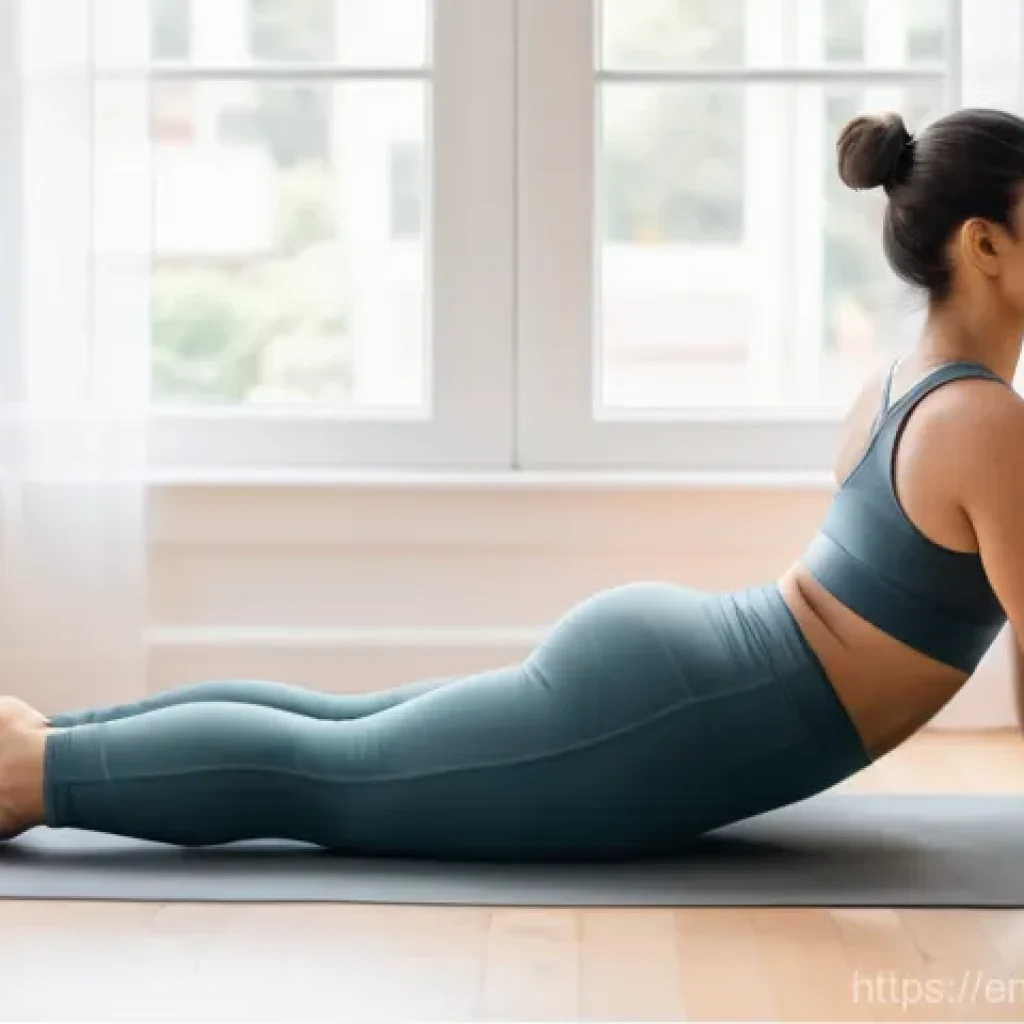
Hey wonderful mamas! I know firsthand that after bringing a little miracle into the world, our focus shifts entirely to that precious bundle. But let’s be honest, while we’re showering our newborns with love, our own bodies have just completed an incredible, Herculean task.
You might be feeling a little different, experiencing new aches, or just a general sense that your body isn’t quite ‘yours’ yet. I’ve been there, and I know that wondering about what’s going on with your core and pelvic health is completely normal, yet often overlooked.
It’s not just about aesthetics or “bouncing back” to some idealized version; it’s profoundly about your comfort, mobility, and long-term well-being as you embark on this beautiful, demanding journey of motherhood.
Understanding the critical role of postpartum pelvic alignment is a game-changer for reclaiming your strength, stability, and overall vitality. Ignoring these vital signals can lead to unexpected challenges down the road, from back pain to decreased energy.
Ready to truly empower your postpartum recovery and feel fantastic again? Let’s dive deeper into this absolutely essential topic right now.
Beyond the Bump: Unraveling Your Postpartum Core

Hey there, amazing mama! So, you’ve just rocked the world by bringing a new life into it, and seriously, give yourself a massive pat on the back. It’s an incredible feat! But let’s be real for a moment. While we’re absolutely head-over-heels for our little ones, our own bodies have been through the ringer. I remember after my first, feeling like my core had literally packed its bags and left town. It wasn’t just a physical emptiness; it was a disconnect, a feeling that something fundamental had shifted. We often hear about “bouncing back” or getting our pre-baby body, but it’s so much more profound than just aesthetics. We’re talking about foundational strength, the very core of your stability and energy as you lift, carry, and chase after your little ones. Your core isn’t just your abs; it’s a dynamic, integrated system involving your diaphragm, deep abdominal muscles, and your pelvic floor. Understanding how these parts work together, and how they’ve been affected by pregnancy and birth, is the first giant leap towards feeling strong and whole again. Trust me, it’s a journey worth embarking on for your long-term health and well-being. Thinking about your core in this holistic way completely transformed my own recovery, and I’m so excited for you to discover the same empowerment.
The Incredible Journey Your Core Just Took
Just think about it: for nine months, your abdominal muscles stretched and accommodated a growing human, your organs shifted, and your spine adjusted to a whole new center of gravity. That’s a monumental undertaking! Your rectus abdominis, those “six-pack” muscles, often separated to some degree, a condition known as diastasis recti. But it’s not just about that superficial separation. Deeper muscles, like your transverse abdominis, which act like a natural corset, also underwent immense changes, losing some of their tension and responsiveness. This isn’t a sign of weakness; it’s a completely normal adaptation to pregnancy. However, if these muscles don’t start to reconnect and regain their function after birth, it can lead to a whole host of issues, from back pain to a feeling of instability. I personally felt a constant dull ache in my lower back that I just chalked up to carrying a baby, but it turned out to be directly related to my weakened core not providing the support my spine needed. Recognizing this journey your core has taken is the first step in nurturing it back to health. It’s about gentle reconnection, not harsh, sudden movements. We need to respect the incredible work it’s done.
More Than Just Abs: The Pelvic Floor Connection
And then there’s the unsung hero of the core: your pelvic floor. This incredible hammock of muscles at the base of your pelvis supports your organs, helps with continence, and plays a huge role in core stability. During vaginal birth, these muscles stretch immensely, and even with a C-section, they’ve been under constant pressure from the weight of your growing uterus and baby. Believe me, I was clueless about my pelvic floor until I started experiencing those “oops” moments with a sneeze or a laugh, and a general feeling of looseness. It felt like something had just… dropped. This isn’t just an inconvenience; a weakened or hypertonic (too tight) pelvic floor can lead to prolapse, pain during intimacy, and ongoing continence issues. It’s a critical component of your core that needs just as much, if not more, attention than your abdominal muscles. Learning to gently engage and relax these muscles is paramount, and it’s a far cry from the old-school advice of just doing a million Kegels. It’s about restoring their natural function and ensuring they work in harmony with your breath and deeper core muscles for true, lasting strength.
The Unseen Shift: What Really Happens to Your Pelvis After Birth
Alright, let’s talk about your pelvis, because honestly, this area undergoes some seriously profound changes that we often don’t fully appreciate until we start feeling them. During pregnancy, a hormone called relaxin surges through your body, doing exactly what its name suggests: it relaxes your ligaments and joints, making everything more pliable to prepare for birth. This is an absolutely crucial process, but it means that your pelvic joints – specifically your sacroiliac (SI) joints and your pubic symphysis – become much more mobile. After birth, those ligaments don’t just snap back into place overnight. They take time to re-stabilize, and in the interim, your pelvis can feel a bit wobbly or out of alignment. I distinctly remember getting out of bed in the morning and feeling a slight ‘clunk’ or instability in my hips, like they weren’t quite locked in. It was unnerving, and it certainly wasn’t something anyone had warned me about. This isn’t just about discomfort; if your pelvis isn’t properly aligned, it can create compensatory patterns in your gait, posture, and even how your core muscles fire, leading to issues like chronic back pain or hip pain down the line. It’s truly foundational to how your entire body functions.
Hormones, Ligaments, and Everything in Between
The lingering effects of relaxin are a big player here. While it’s vital for allowing your body to expand and deliver your baby, it continues to affect your joints for several months postpartum, especially if you’re breastfeeding. This means your ligaments remain more elastic than usual, making your pelvic bones more susceptible to shifting. Combine this with the force of birth itself – whether a vaginal delivery or the positioning required for a C-section – and you have a recipe for potential misalignment. Your pubic symphysis, the joint at the very front of your pelvis, can widen, causing pain and instability, often referred to as SPD (Symphysis Pubis Dysfunction) or PGP (Pelvic Girdle Pain). Your SI joints, where your sacrum meets your ilium at the back of your pelvis, can also become uneven or inflamed. These aren’t just minor aches; they can significantly impact your mobility, making everyday tasks like walking, standing, or even sleeping incredibly uncomfortable. Understanding that these shifts are largely hormonal and mechanical helps us approach recovery with patience and the right kind of gentle support.
Why Your Hips Might Feel ‘Off’
So, why exactly do your hips feel like they belong to someone else? Beyond the hormonal softening of ligaments, the actual process of birth, coupled with the way we often hold and carry our newborns, can perpetuate imbalances. Think about how you instinctively shift your weight to one hip while holding your baby, or the way you hunch over while breastfeeding. These repetitive postures, when combined with already lax ligaments, can exacerbate any existing pelvic asymmetry. I spent weeks nursing exclusively on one side in a very specific position, and it absolutely created a noticeable tilt in my pelvis and corresponding stiffness on one side of my back. It’s not just about the big events; it’s the cumulative effect of small, everyday movements. When your pelvis is out of alignment, the muscles around it – your glutes, hip flexors, and even your deep core – have to work harder, or they stop working effectively altogether. This can lead to muscle imbalances, chronic tension, and even nerve impingement. It’s like building a house on a crooked foundation; eventually, cracks will start to show in the walls upstairs. Addressing why your hips feel ‘off’ is about looking at the full picture of how you move, rest, and engage your body throughout your postpartum day.
Listening to Your Body: Recognizing the Subtle Signs of Misalignment
Okay, let’s get real about what your body might be telling you. After having a baby, it’s all too easy to dismiss those new aches and pains as “just part of motherhood.” I know I did! For months, I told myself that the constant dull ache in my lower back and that weird clicking sensation in my hip when I walked was just my new normal. But here’s the kicker: while some discomfort is certainly expected as your body heals, persistent pain, instability, or unusual sensations are often signs that something is out of whack. Your body is incredibly intelligent, and it sends out signals when it needs attention. The trick is learning to tune into those signals and understand what they mean, rather than just powering through. Ignoring these signs isn’t being tough; it’s potentially setting yourself up for more significant issues down the road. This isn’t about catastrophizing; it’s about empowering yourself with knowledge so you can proactively support your healing. Believe me, feeling comfortable and stable in your own body is an absolute game-changer for enjoying motherhood without constantly being held back by pain.
Those Nagging Aches and Pains
So, what exactly are we looking for? Beyond the general fatigue, many new moms experience specific aches that point directly to pelvic misalignment or core dysfunction. Chronic lower back pain, especially on one side, is a huge one. This was my personal nemesis, and it turned out to be my body trying to compensate for an unstable pelvis. Hip pain, often felt deep in the joint or radiating down the leg, can also be a red flag. You might notice groin pain, particularly when you change positions or lift your leg. That ‘clicking’ or ‘grinding’ sensation I mentioned in my hips or lower back? Definitely a sign of joint instability. And let’s not forget knee pain – sometimes what feels like a knee issue is actually originating higher up in your kinetic chain, due to your body adjusting its gait to accommodate a misaligned pelvis. Even seemingly unrelated issues like neck or shoulder tension can stem from your core and pelvis not providing proper support, forcing your upper body to pick up the slack. Pay attention to when these pains occur, what makes them better or worse, and if they’re persistent. Your body is trying to communicate something important!
When ‘Normal’ Might Be a Red Flag
It’s important to distinguish between expected postpartum healing and symptoms that warrant a closer look. While a little soreness is normal, persistent incontinence (leaking urine when you laugh, sneeze, or jump), a feeling of heaviness or pressure in your vagina (which could indicate prolapse), or pain during intercourse are absolutely NOT normal and should never be ignored. Many women suffer in silence, believing these things are just “part of having a baby,” but that’s simply not true! These are clear indicators that your pelvic floor isn’t functioning optimally, and often, pelvic alignment plays a role. Similarly, a noticeable bulge or ‘doming’ down the center of your abdomen when you try to sit up or strain could be a sign of diastasis recti that needs attention. An inability to feel your abdominal muscles engage, or a persistent feeling of weakness and instability in your core, also falls into this category. Don’t be afraid to speak up and seek professional advice if you’re experiencing any of these. Advocating for your own health is one of the best things you can do for yourself and your family.
Simple Steps, Big Impact: Practical Tips for Nurturing Your Pelvic Recovery
Alright, mamas, now that we’ve tuned into what our bodies are telling us, let’s talk about what we can actually *do* about it. The good news is, you don’t need to embark on a grueling, intense fitness regimen right away. In fact, that can often do more harm than good! Postpartum pelvic and core recovery is all about gentle, consistent, and intentional movements that respect where your body is right now. Think of it as slowly reintroducing yourself to your amazing core and pelvis, building communication and trust. It’s not a race, and progress will look different for everyone. I remember feeling so frustrated by how little I could do at first, but embracing that slow, steady approach was truly the key to my lasting recovery. These tips aren’t about achieving a certain look; they’re about reclaiming functional strength, easing discomfort, and truly feeling at home in your body again. Small, consistent efforts truly add up to a big impact when it comes to healing after birth. Let’s dive into some practical ways you can start supporting your pelvic health today.
Gentle Movements for a Stronger You
Forget the crunches and planks for a while, seriously. Your body needs to reconnect with its deep core and pelvic floor first. Start with diaphragmatic breathing – breathing deep into your belly, allowing your pelvic floor to relax on the inhale and gently lift on the exhale. This sounds simple, but it’s incredibly powerful for restoring that mind-body connection. Pelvic tilts, done gently on your back, are fantastic for mobilizing your pelvis and engaging your deep abdominal muscles without strain. Imagine gently rocking your hips back and forth, flattening your lower back against the floor and then arching it slightly. As you progress, consider incorporating knee falls, where you lie on your back with knees bent and gently let one knee fall open to the side, then the other, keeping your hips stable. These movements are about building awareness and foundational strength, not about pushing yourself. I started with just five minutes a day, and slowly, I could feel my core ‘waking up’ again. It’s an empowering feeling to realize you can rebuild strength from the inside out.
Posture Power: Small Changes, Huge Differences
You’d be amazed at how much your posture influences your pelvic alignment and core function. When you’re constantly hunched over your baby, whether feeding, changing, or rocking, it puts immense strain on your back and pushes your pelvis out of optimal alignment. Try to be mindful of how you’re sitting and standing. When feeding your baby, bring the baby to you, rather than leaning over them. Use pillows to support your arms and baby’s head, ensuring your back is well supported. When standing, imagine a string gently pulling you up from the crown of your head, aligning your ears over your shoulders, shoulders over hips, and hips over ankles. Distribute your weight evenly on both feet, avoiding the common ‘hip jut’ to one side. Even simple things like consciously engaging your glutes when you stand up can help stabilize your pelvis. I found that just making a conscious effort to sit up straighter while nursing drastically reduced my mid-back pain. These small, consistent adjustments throughout your day can make a massive difference in how your body feels and functions, reducing strain and supporting proper alignment.
Daily Habits That Make a Difference
Beyond specific exercises, integrating pelvic-friendly habits into your daily routine is crucial. Hydration and a fiber-rich diet are your best friends, believe me, because straining during bowel movements puts immense pressure on your pelvic floor, hindering healing. Aim for plenty of water and foods like fruits, vegetables, and whole grains. Also, think about how you lift! Always bend your knees and lift from your legs, keeping your core engaged (as much as you can) and holding objects close to your body. Avoid holding your breath and bearing down. When getting out of bed, roll to your side first, then push yourself up with your arms – this reduces direct abdominal strain. And please, prioritize rest! Your body needs time to repair and rebuild. Even short naps or moments of quiet can significantly contribute to your recovery. I know, asking a new mom to rest is like asking for a unicorn, but even delegating one task or accepting help for an hour can make a huge difference. These seemingly small habits collectively create an environment conducive to deep, lasting healing for your core and pelvis.
Fueling Your Recovery: Nutrition and Lifestyle for Optimal Pelvic Health
When we talk about postpartum recovery, we often jump straight to exercises and physical therapy, which are absolutely vital. But what we put into our bodies, and how we generally live our lives, plays an equally crucial, yet often overlooked, role in healing our core and pelvis. Think of it this way: your body just ran a marathon, built an entire human, and then delivered them! It needs high-quality fuel and a supportive environment to repair, rebuild, and regain its strength. I learned this the hard way after my second baby. I thought I could just “power through” on coffee and whatever I could grab quickly, but my body felt sluggish, my aches lingered, and my energy was non-existent. It wasn’t until I truly committed to nourishing myself from the inside out that I saw a significant shift in my overall well-being, including my pelvic health. This isn’t about restrictive diets or perfection; it’s about making conscious choices that support your incredible body’s natural healing processes. Let’s explore how the right fuel and a holistic approach to lifestyle can empower your pelvic recovery.
Nourishing Your Body from the Inside Out
Your body is clamoring for nutrients to repair tissues, replenish depleted stores, and rebuild muscles. Focus on a diet rich in protein, healthy fats, and complex carbohydrates. Protein is crucial for tissue repair – think lean meats, fish, eggs, legumes, and nuts. Healthy fats, like those found in avocados, olive oil, and fatty fish, support hormone balance and reduce inflammation, which is key for healing. Complex carbs from whole grains, fruits, and vegetables provide sustained energy and, importantly, fiber. As I mentioned earlier, preventing constipation is paramount for pelvic floor health, so adequate fiber intake is a non-negotiable. Don’t forget calcium and Vitamin D for bone health, especially since your ligaments are still softening. And hydration? Absolutely essential. Water helps with nutrient transport, waste removal, and keeps your tissues supple. I found that keeping a large water bottle handy at all times was a simple trick to ensure I was drinking enough. Remember, what you eat directly impacts your energy levels, your gut health, and ultimately, your body’s ability to heal and stabilize your core and pelvis.
Beyond Exercise: Lifestyle Hacks for Healing
Recovery isn’t just about what you do in an exercise session; it’s about your entire lifestyle. Sleep, though incredibly elusive with a newborn, is one of the most powerful healing tools you have. Aim for as much restorative sleep as possible, even if it means short naps throughout the day or accepting help so you can get a longer stretch. Stress management is also vital. Chronic stress can tighten your pelvic floor muscles and hinder recovery, so find little moments for yourself – a warm bath, five minutes of deep breathing, or listening to your favorite music. Consider gentle movement that isn’t formal exercise, like slow walks in nature. The fresh air and gentle movement are incredibly therapeutic. Even your choice of footwear can impact your alignment! Opt for supportive, comfortable shoes that allow your feet to naturally splay and provide a stable base, rather than high heels or overly restrictive footwear. These “lifestyle hacks” might seem small, but they collectively create a robust foundation for your body to truly heal and for your core and pelvis to regain their optimal function. Prioritizing yourself in these ways isn’t selfish; it’s essential for a sustainable and joyful motherhood.
When to Seek Help: Knowing Your Limits and Finding Expert Support
As much as we want to be supermoms who can handle everything, there comes a time when professional guidance isn’t just helpful, it’s absolutely necessary. I’ve been there, thinking I could just research my way through every ache and discomfort, but sometimes you hit a wall where you realize you need an expert. It’s not a sign of failure; it’s a smart, proactive step towards optimal recovery. In the postpartum period, especially concerning pelvic alignment and core health, trying to self-diagnose and self-treat can actually delay healing or even worsen issues. Recognizing when your symptoms go beyond “normal” postpartum recovery and genuinely warrant a professional’s eye is a powerful act of self-care. Don’t ever feel embarrassed or like you’re being a bother; healthcare professionals who specialize in postpartum recovery are there precisely because these issues are common and treatable. Your long-term well-being is worth investing in, and that often means reaching out to the right people. Let’s talk about those critical signs and who you should be seeking out for support.
Red Flags You Shouldn’t Ignore
While some discomfort is normal, certain symptoms are clear indicators that you should see a healthcare professional specializing in postpartum pelvic health. Persistent or worsening pain in your back, hips, pelvis, or groin is a major red flag. If you’re experiencing ongoing urinary incontinence (leaking urine when you cough, sneeze, laugh, or exercise) or fecal incontinence, please don’t suffer in silence – this is treatable! A feeling of heaviness, bulging, or ‘dropping’ in your vagina, which could be a sign of pelvic organ prolapse, absolutely warrants an evaluation. Pain during intercourse that doesn’t improve over time is another symptom that needs attention. If you have a significant or painful diastasis recti (abdominal separation) that isn’t improving with gentle exercises, or if you feel a general sense of instability in your core that impacts your daily activities, it’s time to get it checked out. These symptoms aren’t just inconveniences; they can significantly impact your quality of life and future health. Trust your gut instinct; if something feels truly wrong, it probably is. Your body is giving you important feedback.
Finding Your Pelvic Health Dream Team
So, who exactly should you turn to? Your first stop should always be your primary care provider or OB/GYN to discuss your symptoms. However, they might not be specialists in pelvic floor dysfunction. The gold standard for postpartum pelvic health is a pelvic floor physical therapist. These incredible professionals have specialized training to assess your core, pelvic floor, and overall alignment. They can accurately diagnose issues like diastasis recti, pelvic organ prolapse, and muscle imbalances, and create a tailored treatment plan for you. They’ll teach you proper breathing techniques, targeted exercises, and strategies for everyday activities to support your healing. Additionally, a chiropractor or osteopath specializing in prenatal and postpartum care can be invaluable for addressing any specific joint misalignments in your spine or pelvis. Don’t hesitate to ask for referrals or search online for reputable practitioners in your area. Many insurance plans cover these services, so it’s worth checking. Investing in a knowledgeable and compassionate “dream team” to guide your recovery is one of the best decisions you can make for your long-term health and ability to thrive as a mother.
Here’s a quick overview of when to seek professional help:
| Symptom Category | Key Indicators to Watch For | Recommended Professional |
|---|---|---|
| Pain & Discomfort | Persistent back, hip, groin, or pelvic pain; clicking/grinding in joints; pain during intercourse. | Pelvic Floor PT, Chiropractor/Osteopath |
| Pelvic Floor Dysfunction | Urinary/fecal incontinence; feeling of heaviness/bulging in vagina (prolapse). | Pelvic Floor PT |
| Core Weakness/Separation | Significant abdominal separation (diastasis recti); constant core instability; doming of abdomen. | Pelvic Floor PT |
| Mobility Issues | Difficulty walking, standing, or moving without pain or instability. | Pelvic Floor PT, Chiropractor/Osteopath |
Long-Term Wellness: Building a Strong Foundation for a Vibrant Motherhood
Okay, mamas, we’ve talked about the incredible journey your body has been on, the signs to look out for, and the immediate steps you can take. But let’s zoom out for a moment and think about the big picture: your long-term wellness. Addressing your postpartum pelvic alignment and core health isn’t just about feeling better *now*; it’s about building a strong, resilient foundation that will serve you for years, even decades, to come. Motherhood is a marathon, not a sprint, and your body is your most vital tool. Investing in its recovery and ongoing maintenance is perhaps one of the most powerful acts of self-love and self-preservation you can undertake. I used to think of “recovery” as a temporary phase, something I’d get through and then be done with. But I’ve realized it’s more about cultivating a continuous relationship with my body, listening to its needs, and giving it the support it deserves. This proactive approach ensures you’re not just surviving motherhood, but truly thriving, with the energy, stability, and comfort to fully embrace every single moment with your children. It’s about setting yourself up for a vibrant, pain-free life.
Investing in Your Future Self
Think about all the lifting, carrying, bending, and chasing that comes with raising children. Your core and pelvis are central to all of these activities. By addressing any misalignments, strengthening your deep core, and nurturing your pelvic floor now, you’re preventing potential issues down the road. This isn’t just about avoiding pain; it’s about safeguarding your mobility, energy levels, and overall physical capacity as you age. Neglecting these foundational aspects can lead to chronic back pain, persistent incontinence, and even further prolapse as time goes on. Conversely, a strong and well-aligned core and pelvis contribute to better posture, improved balance, and greater ease in daily movements. It means you’ll be able to lift your growing toddler without fear of injury, keep up with your active kids on the playground, and enjoy your hobbies without being limited by physical discomfort. It’s truly an investment in your future self, ensuring you have the physical freedom to live a full and active life for many years to come.
Living Your Best Mom Life, Pain-Free
Ultimately, isn’t that what we all want? To live our best lives as mothers, fully present, joyful, and unburdened by nagging aches and pains. When your body feels strong and supported, your mental and emotional well-being flourish too. The constant drain of discomfort or the worry about leaking can severely impact your mood and confidence. By taking control of your postpartum recovery, you’re not just healing physically; you’re reclaiming your sense of self, your autonomy, and your ability to engage fully with your family and the world around you. Imagine not having to plan your day around bathroom breaks, or being able to spontaneously join your kids in a game of tag without a second thought. This profound shift in physical well-being translates directly into a more joyful, energetic, and present version of yourself. It allows you to focus on the incredible, beautiful, messy journey of motherhood, rather than being distracted by physical limitations. So, embrace this journey of healing and strengthening; it’s the best gift you can give yourself, allowing you to truly live your best mom life, pain-free and full of vitality.
Concluding Thoughts
Whew, we’ve covered a lot, haven’t we? It’s truly been a journey delving into the incredible transformations your body undergoes postpartum, especially concerning your core and pelvis. Remember, this isn’t about striving for perfection or rushing back to a pre-baby state; it’s about honoring the amazing feat your body accomplished and nurturing it back to strength and balance. This proactive approach to your recovery isn’t just for now; it’s a foundational gift you give to your future self, allowing you to embrace motherhood with energy, comfort, and vitality. So, be kind to yourself, listen to your body, and know that you’re building a stronger, more resilient you, one intentional step at a time.
Useful Information for Your Postpartum Journey
1. Prioritize gentle, core-friendly movements like diaphragmatic breathing and pelvic tilts before jumping into intense exercises. Building foundational strength is key for long-term recovery.
2. Hydration and a fiber-rich diet are essential. Preventing constipation helps reduce strain on your pelvic floor and supports overall healing.
3. Be mindful of your posture throughout the day, especially when feeding or carrying your baby. Small adjustments can make a big difference in pelvic alignment and back comfort.
4. Don’t hesitate to seek professional help from a pelvic floor physical therapist if you experience persistent pain, incontinence, or a feeling of heaviness. Early intervention is always best!
5. Prioritize rest and stress management. Your body needs ample time to repair and rebuild, and chronic stress can hinder your healing process.
Key Takeaways
Your postpartum body is amazing and deserves attention, not just dismissal of new aches. Listening to its signals is crucial. Focus on gentle, consistent core and pelvic floor work, and integrate supportive lifestyle habits. Most importantly, don’t shy away from seeking professional guidance for any persistent discomfort or concerning symptoms. Investing in your physical recovery now sets you up for a vibrant, pain-free motherhood and long-term wellness.
Frequently Asked Questions (FAQ) 📖
Q: What exactly is “postpartum pelvic alignment,” and why is it such a big deal for us new moms?
A: Oh honey, I totally get why this might sound a bit technical or even a little scary, but trust me, it’s actually one of the most foundational things we can focus on after giving birth.
Think of your pelvis as the very base of your body’s “house.” During pregnancy and childbirth, everything shifts, stretches, and moves in incredible ways to accommodate your growing baby and then to help them arrive.
Postpartum pelvic alignment refers to how your pelvis resettles and how the surrounding muscles, ligaments, and joints come back into a balanced position.
When your pelvis isn’t aligned properly, it’s like building a house on a wonky foundation – eventually, other problems start popping up! From my own journey, I felt this subtle but persistent imbalance that led to lower back aches and even some knee discomfort.
It’s not just about looking “normal” again; it’s profoundly about restoring your body’s structural integrity, allowing your core muscles to function effectively, and preventing those nagging pains and long-term issues that can really dampen your energy as a mom.
Prioritizing this helps you regain not just physical strength but also a deeper sense of comfort and capability in your new role.
Q: What are some signs or feelings that might tell me my pelvic alignment isn’t quite right after having my baby?
A: This is such a smart question because sometimes these signs are subtle, and we might just brush them off as “normal” postpartum stuff, but they truly aren’t always.
From my personal experience and chatting with countless other moms, there are a few red flags to watch for. If you’re consistently feeling pain in your lower back, hips, or even your knees and ankles, that’s a big indicator.
It’s not just general soreness; it’s that specific, persistent ache that just won’t go away. You might also notice an uneven gait or feeling like one leg is shorter than the other.
Sometimes, it manifests as difficulty getting comfortable in certain positions, or even a sense of instability when you walk or lift your baby. Another common sign can be persistent abdominal bulging (diastasis recti) that doesn’t seem to improve, or even issues with your pelvic floor like leakage or a feeling of heaviness.
I remember feeling like my body was almost fighting itself, and simple movements felt awkward. Listening to these signals, however small they seem, is your body’s way of telling you it needs a little extra attention and realignment love.
Q: So, what can I actually do to help improve my postpartum pelvic alignment and get back to feeling strong?
A: This is where the magic happens, mama! The good news is there’s so much you can do, and it doesn’t have to be overwhelming. My absolute top tip, hands down, is to seek out a women’s health physical therapist.
Honestly, it was a game-changer for me. They’re like detectives for your core and pelvis, identifying exactly what’s out of whack and guiding you through tailored exercises.
Beyond that, start with gentle, mindful movements. I found walking (yes, just walking!) incredibly helpful once I felt up to it, focusing on even strides and engaging my core gently.
Specific exercises that target deep core muscles and glutes are also crucial. Think pelvic tilts, glute bridges, and gentle abdominal compressions – but always, always, under the guidance of a professional to ensure you’re doing them correctly.
Also, pay attention to your posture throughout the day, especially when you’re feeding or carrying your baby. It’s so easy to slump! Small adjustments can make a huge difference.
And please, don’t rush it. Your body did an amazing thing; give it the time and intentional care it deserves to heal and realign. It’s a marathon, not a sprint, but every step towards better alignment is a step towards feeling more vibrant and capable.