Navigating the world of ovulation induction medications can feel overwhelming, especially with so many options and advice floating around. Lately, more couples are turning to these treatments to enhance their chances of conceiving, making safety and proper use more important than ever.

From understanding the right dosage to recognizing potential side effects, being informed can make all the difference. In this post, I’ll share essential tips and precautions based on real experiences and expert insights to help you use these medications confidently and effectively.
Whether you’re just starting or already on your fertility journey, these guidelines will support you every step of the way. Let’s dive in and uncover how to maximize success while keeping your well-being front and center.
Understanding the Different Types of Ovulation Induction Medications
Oral Agents: Clomiphene Citrate and Letrozole
When it comes to oral ovulation inducers, clomiphene citrate (Clomid) and letrozole are the most commonly prescribed. Clomid has been a staple for decades, working by tricking the body into producing more follicle-stimulating hormone (FSH), which encourages ovulation.
Letrozole, originally developed for breast cancer treatment, has gained popularity because it often has fewer side effects and can sometimes be more effective, especially in women with polycystic ovary syndrome (PCOS).
In my experience, letrozole tends to cause less mood swings and hot flashes compared to clomiphene, which can be a relief during an already stressful time.
Injectable Medications: Gonadotropins
Injectable gonadotropins like FSH and human menopausal gonadotropin (hMG) are more potent and typically used when oral medications don’t trigger ovulation effectively.
These require close monitoring via ultrasound and blood tests to avoid overstimulation. The injections can feel intimidating at first, but with practice, they become manageable.
The key is to follow the dosing schedule exactly and stay in close contact with your healthcare provider to adjust doses as needed. Personally, I found that having a supportive nurse guide me through the first injections made a huge difference in confidence.
Emerging Alternatives and Adjuncts
There are also newer or less conventional agents, such as metformin for insulin resistance-related infertility or supplements that might support ovulation.
While these are not primary ovulation inducers, they can complement traditional treatments. However, it’s crucial to discuss any additional supplements or medications with your doctor to avoid interactions or side effects.
Optimizing Dosage and Timing for Best Outcomes
Starting Low and Adjusting Gradually
One of the most common mistakes is jumping into high doses too quickly. Starting with the lowest effective dose reduces the risk of side effects and multiple pregnancies.
For example, clomiphene typically begins at 50mg daily for five days early in the cycle, with adjustments based on response. I remember a friend who started at a high dose and faced severe mood swings and ovarian cysts, which could have been avoided with a gentler approach.
Monitoring Ovulation: Tools and Techniques
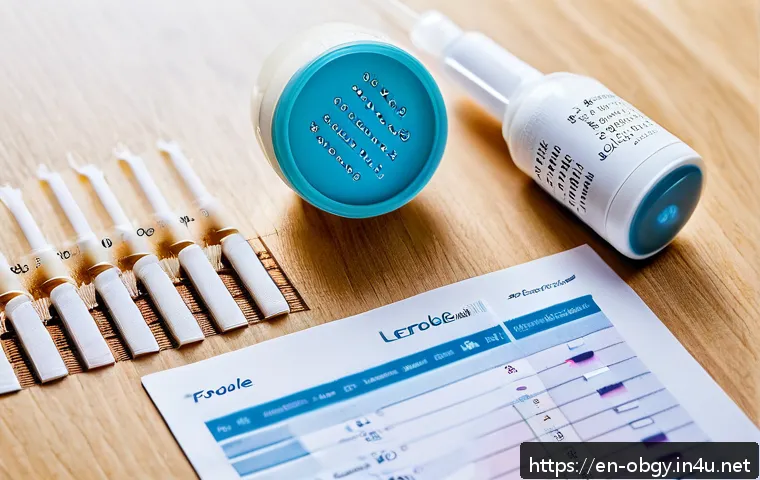
Tracking ovulation precisely can maximize the chances of conception and minimize risks. Home ovulation predictor kits (OPKs), basal body temperature charts, and ultrasound monitoring are all useful.
Ultrasounds provide the most accurate picture of follicle growth and timing, especially when using injectable medications. I personally found that combining OPKs with ultrasound feedback helped me pinpoint my fertile window better than relying on one method alone.
When to Seek Medical Guidance for Dose Adjustments
If ovulation doesn’t occur after the initial treatment cycle or side effects become troublesome, it’s essential to consult your doctor before increasing doses.
Sometimes, a small tweak can make all the difference without adding risk. In my case, after one cycle without ovulation on clomiphene, my doctor switched me to letrozole, which worked much better and with fewer side effects.
Recognizing and Managing Potential Side Effects
Common Side Effects and How to Handle Them
Many women experience mild side effects such as bloating, breast tenderness, mood swings, or headaches during ovulation induction. These can often be managed with lifestyle adjustments like hydration, balanced nutrition, and gentle exercise.
I found that journaling my symptoms helped me notice patterns and communicate better with my doctor about what was tolerable versus what required medical attention.
Serious Risks: Ovarian Hyperstimulation Syndrome (OHSS)
OHSS is a rare but potentially serious complication, especially with injectable gonadotropins. Symptoms include severe abdominal pain, rapid weight gain, nausea, and shortness of breath.
Early detection is critical, and patients should be educated to report any unusual symptoms immediately. During my treatment, my clinic provided a clear list of warning signs and a 24-hour contact number, which made me feel safer and more supported.
Psychological Impact and Emotional Support
The rollercoaster of hormones combined with the pressure to conceive can take a toll on mental health. Anxiety, depression, or irritability are common but often overlooked side effects.
I strongly recommend connecting with support groups or counseling services. Sharing experiences with others going through similar journeys can be incredibly validating and comforting.
Practical Tips for Daily Use and Lifestyle Considerations
Establishing a Routine
Consistency is key when taking ovulation induction medications. Setting alarms or pairing medication times with daily habits like meals or brushing teeth helps avoid missed doses.
I used a pill organizer and smartphone reminders to stay on track, which made the process less stressful.
Nutrition and Hydration
Supporting your body through balanced nutrition and adequate hydration can improve medication effectiveness and reduce side effects. Foods rich in antioxidants, omega-3 fatty acids, and complex carbohydrates provide energy and hormonal balance.
Personally, I noticed that cutting back on caffeine and alcohol during treatment cycles helped stabilize my mood and improve sleep quality.
Physical Activity and Rest
Gentle exercise like walking or yoga can boost circulation and reduce stress, but overexertion should be avoided, especially during stimulation phases.
Listening to your body and prioritizing rest when needed is crucial. I made it a point to schedule downtime after ultrasounds or injections to recharge physically and mentally.
Understanding the Importance of Medical Supervision
Regular Monitoring and Ultrasound Checks
Close monitoring is essential to track follicle development and adjust treatment accordingly. Skipping appointments can increase risks of complications or reduce chances of success.
From my experience, attending all scheduled scans not only helped my doctor fine-tune the dosage but also gave me peace of mind.
Communicating Openly with Your Healthcare Team
Being honest about side effects, emotional challenges, and any missed doses enables your provider to tailor treatment better. Don’t hesitate to ask questions or express concerns; a good clinic will welcome this and provide clear answers.
I found that building a trusting relationship with my fertility nurse was as important as the medication itself.
When to Consider Alternative Treatments
If ovulation induction doesn’t lead to pregnancy after several cycles, exploring other options like intrauterine insemination (IUI) or in vitro fertilization (IVF) might be necessary.
Your doctor can guide you through these decisions based on your unique situation. I know couples who initially felt discouraged but found success after switching paths, highlighting the importance of flexibility and hope.
Comparing Common Ovulation Induction Medications at a Glance
| Medication | Type | Typical Dosage | Common Side Effects | Monitoring Required |
|---|---|---|---|---|
| Clomiphene Citrate (Clomid) | Oral | 50-150 mg daily for 5 days | Hot flashes, mood swings, ovarian cysts | Ultrasound recommended |
| Letrozole (Femara) | Oral | 2.5-7.5 mg daily for 5 days | Fatigue, dizziness, mild nausea | Ultrasound recommended |
| FSH Injections (Gonal-F, Follistim) | Injectable | 75-225 IU daily | Injection site pain, OHSS risk | Frequent ultrasounds and blood tests |
| hMG Injections (Menopur) | Injectable | 75-225 IU daily | Abdominal discomfort, OHSS risk | Frequent ultrasounds and blood tests |
Managing Expectations and Staying Positive Throughout the Process
Setting Realistic Goals and Timelines
Ovulation induction doesn’t guarantee pregnancy immediately. It’s important to understand that it may take several cycles to see results. Keeping realistic expectations helps reduce frustration and emotional burnout.
From my conversations with others on this journey, patience combined with persistence is often the key.
Celebrating Small Wins
Even if pregnancy isn’t achieved right away, recognizing milestones like successful ovulation or improved cycle regularity can boost morale. I made a habit of celebrating these small victories with my partner, which kept our spirits up during challenging times.
Building a Support Network
Having friends, family, or support groups who understand your experience can make a huge difference in maintaining a positive outlook. Sharing both struggles and successes reminds you that you’re not alone.
Personally, joining an online fertility community provided a safe space to vent, learn, and connect with others who truly get it.
Closing Thoughts
Ovulation induction medications offer hope and tangible results for many facing fertility challenges. Understanding the options, monitoring carefully, and maintaining open communication with your healthcare team can make the journey smoother. Remember, patience and self-care are vital throughout this process. Every step forward is a meaningful part of your path to parenthood.
Helpful Information to Keep in Mind
1. Always start with the lowest effective medication dose to minimize side effects and reduce risks.
2. Combining different ovulation tracking methods, like OPKs and ultrasound, can improve accuracy.
3. Emotional support and counseling are just as important as medical treatment during fertility journeys.
4. Maintaining a consistent medication routine helps prevent missed doses and maximizes effectiveness.
5. Regular check-ins with your healthcare provider ensure safe adjustments and timely interventions.
Key Points Summary
Choosing the right ovulation induction medication depends on individual health factors and response to treatment. Close medical supervision is essential to balance effectiveness with safety, particularly to avoid complications like OHSS. Managing side effects proactively and building a strong support system can significantly improve the overall experience. Staying patient and adaptable throughout this process increases the chances of success while preserving emotional well-being.
Frequently Asked Questions (FAQ) 📖
Q: uestions about Ovulation Induction MedicationsQ1: How do I know which ovulation induction medication is right for me?
A: Choosing the right medication depends on your specific fertility diagnosis, hormone levels, and overall health. Doctors often start with medications like Clomiphene citrate or Letrozole because they’re well-studied and generally effective for many women.
I personally found that discussing my full medical history and previous cycles with my fertility specialist helped tailor the treatment precisely to my needs.
It’s essential to undergo proper testing and follow your doctor’s guidance rather than self-medicating, as the wrong drug or dosage can reduce effectiveness or cause unwanted side effects.
Q: What are the common side effects I should watch out for when using ovulation induction drugs?
A: Side effects vary depending on the medication but commonly include mood swings, hot flashes, bloating, and breast tenderness. In my experience, mild headaches and fatigue were also noticeable during the first treatment cycle.
More serious but less common risks include ovarian hyperstimulation syndrome (OHSS), which can cause abdominal pain and swelling. Always report unusual symptoms to your healthcare provider immediately.
Staying hydrated and maintaining a balanced diet helped me manage minor side effects better while on treatment.
Q: How can I maximize the chances of success while staying safe during ovulation induction?
A: Following your doctor’s instructions carefully is crucial—this includes taking the correct dosage at the right time and attending all monitoring appointments, such as ultrasounds and blood tests.
I learned that tracking ovulation through basal body temperature and ovulation predictor kits alongside medical guidance gave me added confidence. Avoiding stress, getting enough rest, and maintaining a healthy lifestyle also contribute positively.
Remember, patience is key; sometimes it takes several cycles to see results, and your doctor will adjust treatment as needed to keep you safe and increase your chances of conception.