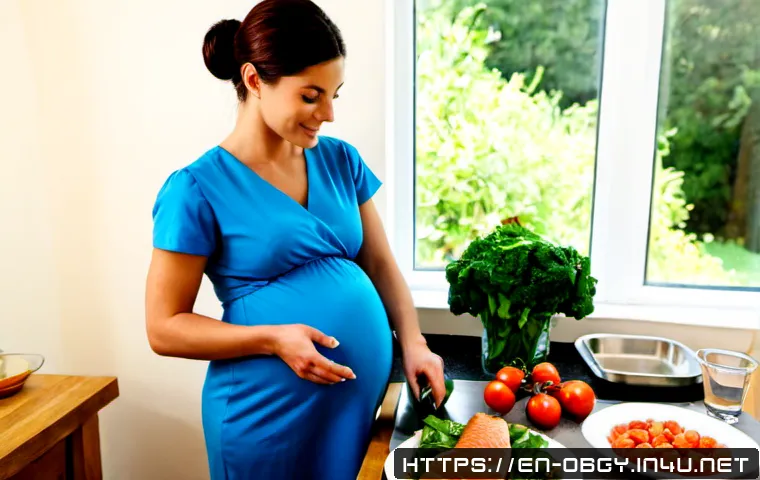
A balanced eating pattern can support healthy blood pressure during pregnancy, especially when meals center on vegetables, fruit, whole grains, protein-rich foods, and healthy fats.
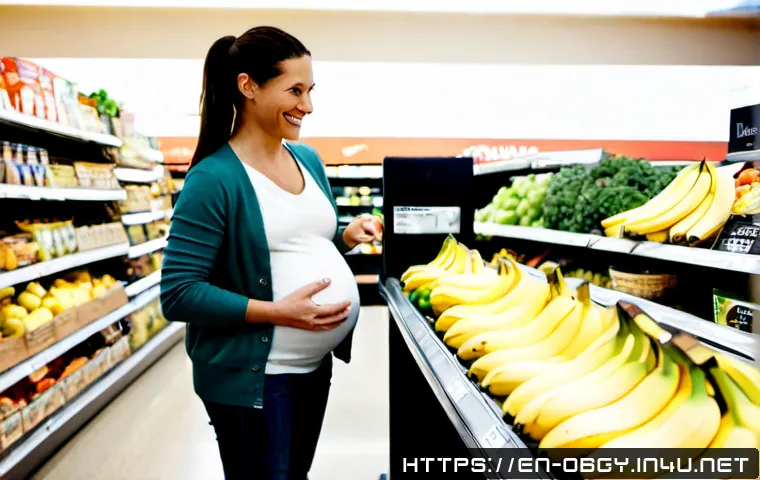
Cutting back on highly processed foods may also reduce intake of sodium, added sugars, and saturated fats. However, high blood pressure in pregnancy needs medical evaluation and monitoring; food changes are not a substitute for prenatal care.
Sodium goals, medications, and food restrictions can differ from one person to another. A practical routine can make nourishing choices easier while leaving room for individual medical guidance.
Why Blood Pressure Matters During Pregnancy
Blood pressure is one part of prenatal health that deserves regular attention. A higher reading may need prompt evaluation and ongoing monitoring, even when a person feels well. Because individual readings, diagnoses, medications, and health history vary, a prenatal clinician should guide decisions about treatment and nutrition limits.
When food choices can support prenatal care
Everyday meals can support overall cardiovascular health when they include a broad mix of minimally processed foods. Think vegetables, fruit, whole grains, protein-rich foods, and healthy fats rather than relying heavily on packaged snacks, ready-made meals, or heavily processed meats. This is a supportive habit, not a treatment plan for a blood pressure concern.
Symptoms and concerns that need medical attention
Do not wait for a diet change to work if you are concerned about your blood pressure or have been told that it is elevated. Contact your prenatal care team for guidance and follow-up. Pregnancy complications and conditions such as kidney disease, diabetes, severe nausea, allergies, or medication needs can change which foods are appropriate.
Build Balanced Meals for Blood Pressure Support
Balanced meals do not need to be complicated. Aim to combine plant foods with a satisfying protein source and a source of fat that fits your care plan. This approach can make meals more consistent and reduce dependence on highly processed convenience foods.
Include fiber-rich plants and whole grains
Vegetables, fruits, beans, and whole grains can form the foundation of meals and snacks. For example, a meal might pair a whole grain with vegetables and a protein-rich food, while fruit can be a simple addition to breakfast or a snack. Choose foods you can tolerate and prepare safely, particularly if nausea or other pregnancy-related symptoms affect appetite.
Choose protein and fats that fit your care plan
Protein-rich foods can help round out meals, while healthy fats can add flavor and satisfaction. The best choices depend on your medical needs, food preferences, allergies, and any clinician-recommended restrictions. If you have a condition that affects food choices, ask for individualized nutrition advice rather than following a general plan.
Practical Ways to Reduce Highly Processed Sodium
Highly processed foods may contain substantial sodium along with added sugars and saturated fats. Rather than trying to remove all salt on your own, focus on noticing where processed foods show up most often and making manageable swaps when possible.
Read packaged-food labels carefully
Compare packaged options when shopping, including soups, sauces, frozen meals, snack foods, and prepared foods. Sodium needs during pregnancy are individual, so a label can help you make informed comparisons but cannot replace a clinician’s recommendation. Ask your prenatal care professional what limits, if any, apply to you.
Flavor meals with herbs, spices, and acidic ingredients
Herbs, spices, garlic, ginger, citrus, and vinegar can bring flavor to home-prepared meals without depending only on salty ingredients. A simple vegetable-and-grain bowl, for instance, can be brightened with lemon or vinegar and seasoned to taste. These options can make lower-processed meals feel less restrictive.
| More often | Less often, when practical |
|---|---|
| Vegetables, fruit, whole grains, protein-rich foods, and minimally processed meals | Highly processed snacks, ready-made meals, and foods that are often high in sodium, added sugars, or saturated fats |
| Flavor from herbs, spices, citrus, and vinegar | Relying on salty packaged seasonings for most of a meal’s flavor |
Foods and Drinks to Discuss With Your Prenatal Clinician

Pregnancy is not the time to start a blood pressure product without professional advice. Your clinician can consider your readings, medications, medical history, and any complications before recommending a change.
Caffeine, supplements, and salt substitutes
Discuss caffeine choices with your prenatal clinician, particularly if blood pressure is a concern. Do not use supplements, herbal products, or salt substitutes to manage blood pressure unless a clinician has reviewed them with you. Products that seem harmless may not suit every pregnancy or every medication plan.
Create a Safe Daily Eating Routine
A repeatable routine can be more useful than aiming for perfection. Keep simple ingredients available, plan a few meals around vegetables, whole grains, and protein-rich foods, and choose convenient options that are less processed when possible. Hydration needs also vary, so follow guidance from your care team instead of forcing a one-size-fits-all target. Keep prenatal appointments and share any blood pressure concerns, eating difficulties, or questions about food restrictions.
Meal planning, hydration, and follow-up appointments
Try building a short shopping list around foods you are likely to eat consistently. Preparing a few components ahead, such as washed produce or cooked grains, may make meals easier on busy days. If severe nausea, diabetes, kidney disease, or another condition affects your routine, ask for advice tailored to that situation.
Closing Thoughts
Food choices can support a healthy pregnancy pattern, but they should work alongside prenatal monitoring rather than replace it. Build meals from minimally processed foods when you can, and make sodium-related changes with individualized guidance. If blood pressure is high or concerning, contact your prenatal care team promptly. Clear medical follow-up is the safest foundation for any nutrition plan.
Useful Takeaways
1. Base meals on vegetables, fruit, whole grains, protein-rich foods, and healthy fats. 2. Highly processed foods may add more sodium, added sugars, and saturated fats. 3. Compare labels, but confirm personal sodium guidance with a prenatal clinician. 4. Avoid self-treating with supplements, herbal products, or salt substitutes.
Key Safety Notes
High blood pressure during pregnancy may require prompt medical evaluation and monitoring. Dietary changes can be supportive, but medication needs and nutrition limits must be decided with a qualified prenatal care professional.
Frequently Asked Questions
Q1. What foods help support healthy blood pressure during pregnancy?
A1. A varied pattern built around vegetables, fruits, whole grains, protein-rich foods, and healthy fats can support overall cardiovascular health. Minimally processed foods are often a useful starting point, but personal food choices should fit your prenatal care plan.
Q2. Should I avoid salt completely if my blood pressure is high while pregnant?
A2. Do not decide to eliminate salt completely without guidance. Sodium needs and restrictions during pregnancy should be individualized with a prenatal care professional, especially when blood pressure is elevated.
Q3. Can diet lower high blood pressure during pregnancy without medication?
A3. Diet can support overall health, but high blood pressure during pregnancy may require medical evaluation, monitoring, and treatment. Do not rely on food changes alone or change prescribed treatment without speaking with your clinician.