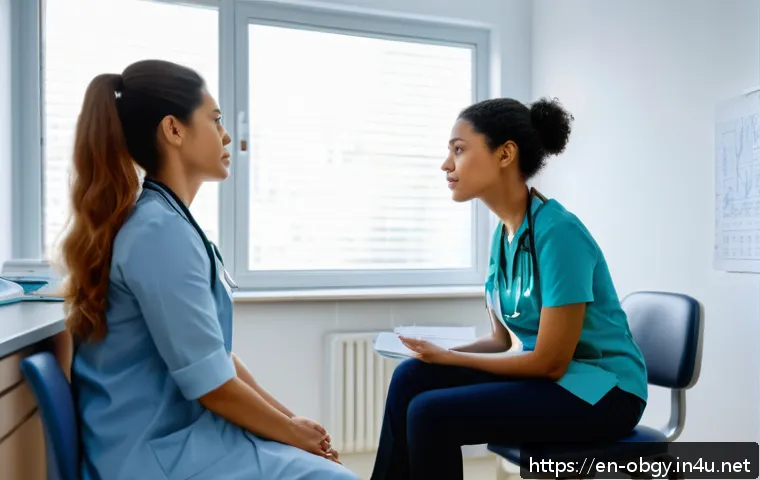
Lately, more women are opening up about their struggles with unexplained pelvic pain and irregular cycles, shedding light on conditions like endometriosis that often go undiagnosed.

If you’ve been feeling persistent discomfort or other unusual symptoms, recognizing these early signs can be a game-changer for your health. Navigating the path to the right specialist might seem overwhelming, but it’s a crucial step toward relief and better quality of life.
In this post, we’ll explore what to watch for and how to find expert care nearby, empowering you to take control of your well-being with confidence. Stay with me as we dive into the essential info you won’t want to miss.
Recognizing the Subtle Signals of Pelvic Health Issues
Understanding Persistent Pelvic Discomfort
If you’ve been experiencing ongoing pelvic pain that doesn’t seem to have an obvious cause, it’s important not to dismiss it as just a routine ache. Many women find that this kind of pain can fluctuate in intensity and sometimes feels like a dull ache, sharp stabbing, or even a burning sensation.
It might worsen during your period, but it can also linger throughout the month, interfering with daily activities and sleep. What I’ve noticed from talking with others is that this pain often feels isolating because it’s invisible to others, yet it significantly impacts quality of life.
Tracking when the pain occurs, what makes it better or worse, and how it affects your mood and energy can be a helpful starting point for conversations with your healthcare provider.
Spotting Irregularities in Your Menstrual Cycle
Changes in your cycle can be more than just a nuisance; they might be a sign that something deeper is going on. Irregular cycles can mean periods that are unusually heavy, light, prolonged, or completely absent.
Spotting between periods, severe cramping, or cycles that suddenly become unpredictable are all red flags that deserve attention. I’ve personally seen women who thought their erratic cycles were just “normal for them” only to discover underlying conditions once they sought medical advice.
Keeping a period diary or using tracking apps can help you identify patterns and provide useful information to specialists.
When to Consult a Specialist
It’s not always easy to decide when to seek expert care, especially if symptoms come and go. However, persistent pain or significant menstrual irregularities that interfere with your daily life should prompt a visit to a gynecologist or a pelvic pain specialist.
From my experience, finding a provider who listens carefully and understands the complexity of pelvic conditions can make a huge difference. Don’t hesitate to ask about their experience with endometriosis or similar disorders.
Remember, early diagnosis can lead to better management and improved outcomes.
Common Symptoms That Often Go Overlooked
Digestive and Urinary Disturbances
Pelvic pain often doesn’t occur in isolation. Many women report bloating, constipation, diarrhea, or frequent urination alongside pelvic discomfort. These symptoms can easily be mistaken for digestive or bladder issues rather than gynecological problems.
I’ve found that sharing these seemingly unrelated symptoms with your doctor can help piece together the bigger picture. Endometriosis, for example, can affect tissues around the bowel and bladder, leading to these distressing symptoms.
Impact on Sexual Health and Emotional Well-being
Pain during or after sex is another symptom that often goes unspoken due to embarrassment or fear. Yet, it’s a crucial indicator of underlying pelvic issues.
Alongside this, many women face emotional challenges such as anxiety or depression linked to chronic pain and the frustration of not having clear answers.
From personal conversations and support groups, it’s clear that acknowledging these feelings and seeking help can provide relief beyond just physical treatment.
Fatigue and Overall Energy Levels
Chronic pain conditions often drain energy, leaving you feeling exhausted even without strenuous activity. This fatigue can affect work, relationships, and motivation to engage in hobbies or exercise.
When I spoke with others dealing with pelvic pain, many described this exhaustion as one of the most debilitating aspects. Addressing pain and hormonal imbalances can help improve energy, but it’s also important to prioritize rest and mental health care.
Diagnostic Tools and What to Expect
Medical History and Physical Exam
A thorough medical history is the foundation of diagnosis. Expect your doctor to ask detailed questions about your pain, menstrual cycle, sexual activity, and any digestive or urinary symptoms.
A pelvic exam may follow, which some find uncomfortable but is essential to check for tenderness, nodules, or abnormalities. In my experience, having a trusted provider who explains each step clearly can ease anxiety during this process.
Imaging and Specialized Tests
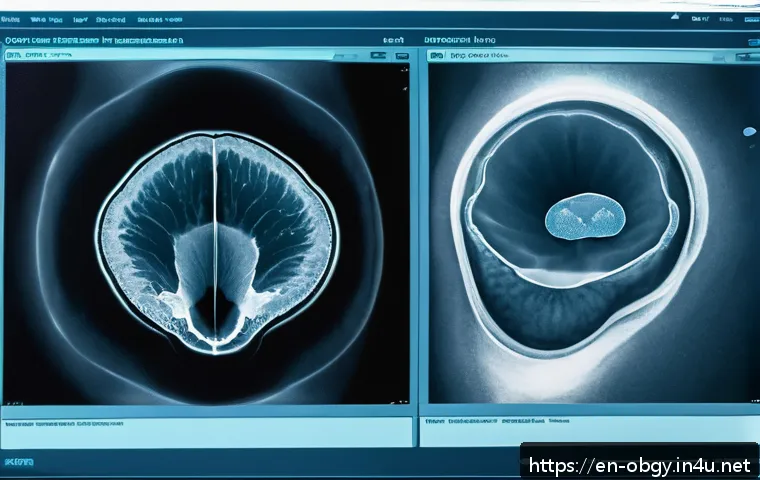
Ultrasounds are commonly used to rule out cysts or other obvious abnormalities but might not detect all cases of endometriosis. More advanced imaging like MRI can sometimes provide additional information but often the definitive diagnosis requires a laparoscopic procedure.
This minimally invasive surgery allows direct visualization and biopsy of suspicious tissue. While the idea of surgery can be intimidating, it often offers relief by confirming the diagnosis and enabling targeted treatment.
Tracking Symptoms for Better Diagnosis
Keeping a detailed symptom diary before your appointment can be incredibly helpful. Note the timing, severity, and triggers of your pain, as well as any associated symptoms.
I’ve seen this practice make consultations more productive because it gives your specialist a clearer picture and helps avoid missed details.
Exploring Treatment Options and What Works
Medications and Pain Management
Pain relief often starts with over-the-counter options like NSAIDs, but for many, this is just the beginning. Hormonal treatments such as birth control pills, GnRH agonists, or progestins can help regulate cycles and reduce tissue growth.
When I tried hormonal therapy myself, it took some trial and error to find the right balance without unpleasant side effects. Your doctor can tailor treatment based on your symptoms, severity, and lifestyle goals.
Surgical Interventions and Their Role
When medications aren’t enough, surgery may be recommended to remove or destroy endometrial lesions. Laparoscopic surgery typically involves small incisions and a faster recovery compared to open surgery.

I’ve heard from several women that surgery provided significant symptom relief and improved fertility outcomes. However, it’s important to remember that surgery is not always a cure, and symptoms can recur, requiring ongoing management.
Lifestyle Changes and Complementary Therapies
Diet, exercise, and stress reduction can play supportive roles in managing pelvic pain. Anti-inflammatory diets, gentle yoga, and mindfulness techniques have helped me and others cope better day-to-day.
Physical therapy focused on pelvic floor muscles can also relieve pain and improve function. Combining these approaches with medical treatment offers a more holistic path to wellness.
Finding the Right Healthcare Team Near You
What to Look for in a Specialist
Not all gynecologists have extensive experience with complex pelvic pain conditions. Seek out providers who specialize in endometriosis or pelvic pain clinics.
Recommendations from support groups or trusted sources can guide you to knowledgeable doctors. When I first started this journey, finding a compassionate and well-informed specialist made a world of difference in feeling understood and hopeful.
Questions to Ask During Your Appointment
Preparing a list of questions can help you make the most of your visit. Consider asking about diagnostic steps, treatment options, side effects, and expected outcomes.
Also inquire about the doctor’s experience with your symptoms and their approach to long-term management. Clear communication builds trust and empowers you to make informed decisions.
Accessing Support and Resources
Connecting with local or online support groups can provide emotional comfort and practical advice. Many organizations offer educational materials, workshops, and community forums that help reduce the sense of isolation.
From my experience, knowing you’re not alone and having access to shared knowledge makes coping with pelvic pain much easier.
Summary of Symptoms, Diagnostics, and Treatments
| Category | Common Symptoms | Diagnostic Methods | Treatment Approaches |
|---|---|---|---|
| Pelvic Pain | Chronic ache, stabbing, burning, worsens with periods or activity | Medical history, pelvic exam, laparoscopy | Pain meds, hormonal therapy, surgery |
| Menstrual Irregularities | Heavy bleeding, irregular cycles, spotting | Cycle tracking, ultrasound, blood tests | Hormonal regulation, lifestyle changes |
| Digestive/Urinary Issues | Bloating, constipation, diarrhea, frequent urination | Physical exam, imaging, symptom diary | Diet adjustments, pelvic floor therapy, medication |
| Emotional & Energy Impact | Anxiety, depression, fatigue | Symptom discussion, mental health screening | Counseling, stress management, support groups |
Empowering Yourself Through Knowledge and Action
Listening to Your Body’s Messages
Your body often gives subtle warnings before major issues develop. I encourage you to tune into these signals without judgment or delay. Documenting symptoms, asking questions, and seeking second opinions if needed are all ways to advocate for your health.
Building a Supportive Healthcare Partnership
Finding a provider who respects your experience and treats you as a whole person is key. Open dialogue and shared decision-making create a foundation for effective care and reduce frustration.
Maintaining Hope and Resilience
Living with chronic pelvic pain or menstrual irregularities can be tough, but many women find relief through the right combination of treatments and support.
Remember, you are not alone and there is a path forward toward better health and quality of life.
In Conclusion
Understanding and recognizing the subtle signs of pelvic health issues is essential for timely care and improved well-being. Listening to your body, seeking appropriate medical advice, and building a supportive healthcare team can make a significant difference. Remember, you don’t have to face these challenges alone—there are effective treatments and resources available to help you regain control over your health and quality of life.
Helpful Information to Know
1. Persistent pelvic discomfort that fluctuates or worsens over time should never be ignored, as it may indicate underlying health conditions requiring professional attention.
2. Tracking menstrual irregularities with apps or diaries provides valuable insights that help healthcare providers make accurate diagnoses and tailor treatments.
3. Symptoms involving digestion, urination, or sexual health often accompany pelvic issues and should be discussed openly with your doctor for a comprehensive evaluation.
4. Combining medical treatments with lifestyle adjustments such as diet, exercise, and stress management can enhance symptom relief and overall wellness.
5. Building a trusted relationship with a specialist experienced in pelvic health ensures you receive personalized care and access to the latest treatment options.
Key Takeaways
Recognizing the early signs of pelvic health problems empowers you to seek timely diagnosis and appropriate treatment. Keeping detailed records of symptoms and maintaining open communication with knowledgeable healthcare professionals are critical steps. Addressing physical symptoms alongside emotional well-being creates a holistic approach to managing pelvic conditions. Remember, persistence and advocacy in your care journey can lead to meaningful improvements and a better quality of life.
Frequently Asked Questions (FAQ) 📖
Q: What are the early signs of endometriosis and when should I see a doctor?
A: Early signs of endometriosis often include chronic pelvic pain, painful periods that worsen over time, pain during intercourse, and irregular menstrual cycles.
If you notice persistent discomfort that interferes with your daily life or unusual symptoms like heavy bleeding or severe cramps, it’s a good idea to consult a gynecologist.
Catching it early can significantly improve your treatment options and quality of life.
Q: How do I find a specialist experienced in diagnosing and treating pelvic pain or endometriosis?
A: Start by asking your primary care provider or gynecologist for referrals to specialists who focus on pelvic pain or endometriosis. Look for doctors affiliated with reputable women’s health centers or university hospitals, as they often have more experience with complex cases.
Reading patient reviews and checking if the specialist uses advanced diagnostic tools like laparoscopy can also help you choose the right expert.
Q: Can lifestyle changes help manage symptoms of unexplained pelvic pain and irregular cycles?
A: Absolutely. While medical treatment is essential, many women find that lifestyle adjustments—such as regular gentle exercise, stress management techniques like yoga or meditation, and a balanced diet—can ease symptoms.
Personally, I noticed that cutting back on caffeine and incorporating anti-inflammatory foods made a difference in my pain levels. Always discuss lifestyle changes with your doctor to ensure they complement your treatment plan.