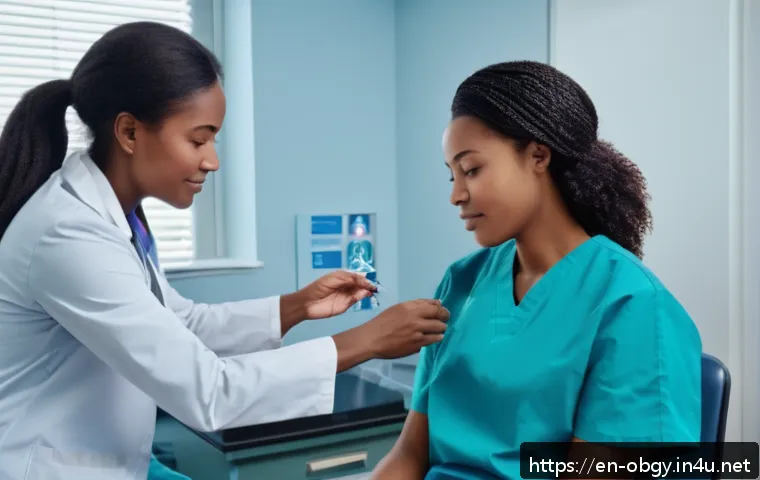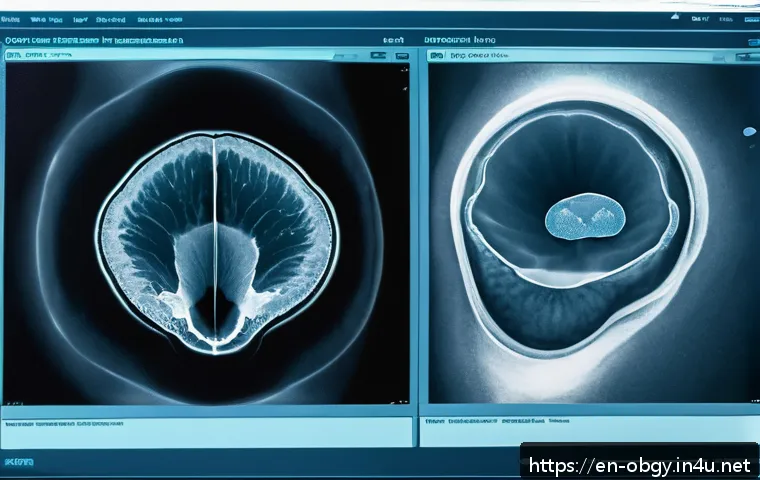
PCOS is a hormonal and metabolic condition that can affect ovulation, periods, skin, hair growth, fertility, and long-term metabolic health. Irregular or absent periods, acne, unwanted hair growth, scalp hair thinning, or difficulty predicting ovulation are good reasons to seek medical evaluation rather than self-diagnose.

The exact cause is not fully understood, but genetics, insulin resistance, and higher androgen activity may play a role. Because several hormonal and metabolic conditions can look similar, testing and a symptom review matter.
The right starting point may be primary care, an in-network OB-GYN, endocrinology, fertility care, dermatology, nutrition support, or telehealth depending on your main concern.
At a Glance
- PCOS can affect more than periods: it may involve ovulation, skin, hair growth, fertility, and metabolic health.
- Symptoms alone cannot confirm PCOS. A clinician usually reviews your history, symptoms, examination findings, and blood tests, with pelvic ultrasound sometimes considered.
- Care is individualized. Your main goal—cycle management, acne care, metabolic monitoring, or fertility support—can help determine which provider to see.
| Care Option | When It May Help | Common Focus | Referral or Coverage Question |
|---|---|---|---|
| Primary Care | First review of irregular periods, weight changes, fatigue, or blood-sugar concerns | Medical history, initial blood work, metabolic-risk monitoring | Does your plan cover lab work ordered by primary care? |
| OB-GYN or Gynecology | Menstrual-cycle concerns, ovulation questions, or pelvic-health evaluation | Cycle history, physical examination, possible pelvic ultrasound | Is an in-network gynecology referral required? |
| Endocrinology | Complex hormonal or insulin-resistance concerns | Hormonal and metabolic evaluation | Does specialist care require prior authorization? |
| Fertility Care | Difficulty conceiving or planning pregnancy | Ovulation and fertility-focused assessment | Which fertility evaluations are covered, if any? |
| Dermatology or Nutrition Support | Acne, hair concerns, or practical lifestyle support | Skin and hair treatment, individualized nutrition guidance | Are these visits and follow-ups included in your plan? |
What PCOS Can Affect—and the Key Signs to Notice
The Short Answer: PCOS Involves Ovulation, Hormones, and Metabolic Health
Polycystic ovary syndrome, or PCOS, is a hormonal and metabolic condition. It can affect whether ovulation happens regularly, how predictable menstrual cycles are, and concerns involving skin, hair growth, fertility, and weight changes. It may also be associated with a higher risk of insulin resistance, prediabetes or type 2 diabetes, cholesterol abnormalities, sleep apnea, and mood concerns.
The name can be confusing. Not everyone with PCOS has ovarian cysts, and ovarian cysts on their own do not confirm PCOS. A diagnosis depends on a broader clinical evaluation.
Symptoms That Commonly Lead People to Seek Evaluation
Common reasons for booking an appointment include irregular or absent periods, difficulty predicting ovulation, acne, excess facial or body hair, scalp hair thinning, and weight changes. Some people seek help because they are trying to conceive, while others are mainly concerned about periods, skin changes, or unwanted hair growth.
A useful first step is to note what has changed and when. For example, record menstrual-cycle patterns, new acne, changes in hair growth, scalp hair thinning, weight changes, and any fertility concerns. This does not diagnose PCOS, but it gives a clinician a clearer starting point.
Why Symptom Patterns Can Differ From Person to Person
PCOS does not look identical in every person. One person may mainly notice irregular periods, while another may be more concerned about acne, hair changes, or difficulty predicting ovulation. Symptoms can also overlap with other hormonal, reproductive, or metabolic conditions. That is why an online symptom checklist is best used to prepare for care—not to replace testing or a clinical assessment.
Possible Causes and Risk Factors: What Is Known and What Is Not
Family History, Insulin Resistance, and Androgen Activity
The exact cause of PCOS is not fully understood. Genetics, insulin resistance, and higher androgen activity may contribute. Androgens are hormones that can influence acne, facial or body hair growth, and scalp hair thinning. These factors may be relevant, but they cannot explain the specific cause of symptoms for any one person without evaluation.
Why PCOS Is Not Caused by One Behavior or Personal Failure
PCOS is not a simple result of one food, one exercise habit, or a lack of effort. Because it involves hormonal and metabolic factors, care should avoid blame and focus on practical goals. Those goals might include more predictable cycle management, acne or hair-growth treatment, metabolic-risk monitoring, fertility planning, or support that fits daily life.
Conditions That Can Resemble PCOS Symptoms
Irregular periods, acne, excess hair growth, hair thinning, weight changes, and fatigue can have more than one cause. Clinicians generally rule out other conditions with similar symptoms before confirming PCOS. This is an important reason not to start supplements, medications, or fertility treatment based only on a symptom pattern.
How PCOS Is Evaluated: Tests, Specialists, and Cost Questions
Medical History, Blood Work, and When Imaging May Be Considered
PCOS is commonly evaluated with a medical history, symptom review, physical examination, blood tests, and sometimes a pelvic ultrasound. Your clinician may ask about cycle timing, ovulation patterns, acne, hair changes, medications, family history, weight changes, and pregnancy plans. Blood work may help assess hormonal or metabolic concerns and help rule out look-alike conditions.
A pelvic ultrasound may be considered in some situations, but it is not the only part of evaluation. An ultrasound finding alone does not establish PCOS.
Comparing Primary Care, OB-GYN, Endocrinology, and Fertility Clinics
Primary care can be a practical first stop when you need an overall health review or metabolic screening. An OB-GYN may be especially useful for cycle concerns, ovulation questions, and pelvic-health evaluation. Endocrinology may be helpful when hormonal or insulin-resistance issues need more focused attention. A fertility clinic may be appropriate when conception is the immediate priority.
Dermatology can address acne or hair concerns, while a qualified nutrition professional may provide individualized lifestyle support. Telehealth can be useful for discussing symptoms, reviewing records, or planning next steps, although an in-person examination, blood tests, or imaging may still be needed.
Insurance, Lab, Ultrasound, and Telehealth Questions to Ask in Advance
Before scheduling, contact your insurer or clinic and ask practical questions. Check whether the clinician is in network, whether a referral is needed, and whether laboratory testing, pelvic ultrasound, telehealth visits, and specialist follow-ups have separate coverage rules. Ask which services may need prior authorization and whether the clinic uses an in-network laboratory or imaging center.
Exact out-of-pocket costs, coverage, and appointment availability vary. Getting these details in writing or through your plan’s member services can make care decisions easier.
Managing Symptoms and Reducing Long-Term Health Risks
Menstrual-Cycle, Acne, Hair-Growth, and Metabolic-Health Goals
PCOS treatment is individualized. Depending on your symptoms and goals, a clinician may discuss menstrual-cycle management, acne treatment, hair-growth treatment, metabolic-risk monitoring, fertility-focused care, or lifestyle support. The best plan depends on your medical history, test results, pregnancy plans, and the conditions being ruled out.
Lifestyle Support Without One-Size-Fits-All Promises

Lifestyle support can be part of PCOS care, especially when metabolic health is a concern. However, there is no single approach that works the same way for everyone. Look for care that is realistic, nonjudgmental, and connected to your broader health goals rather than promises of a cure or guaranteed symptom change.
When Fertility-Focused Evaluation May Be Appropriate
If you are trying to conceive, have difficulty predicting ovulation, or are planning pregnancy, mention this early. Fertility-focused care can help organize an appropriate assessment. Because the most suitable testing and treatment vary from person to person, a clinician should guide decisions rather than a general online recommendation.
Situation-Based Next Steps for Common Concerns
Irregular Periods or Missed Periods
Track cycle dates and bring that record to primary care or an OB-GYN appointment. Ask what other causes should be considered and whether blood tests, examination, or pelvic ultrasound may be appropriate.
Acne, Unwanted Hair Growth, or Scalp Hair Thinning
These symptoms can be related to higher androgen activity, but they are not specific to PCOS. A gynecology, primary care, endocrinology, or dermatology visit may help clarify the pattern and discuss treatment options that fit your health needs.
Trying to Conceive or Planning Pregnancy
Tell the clinician that fertility is your priority. Bring cycle information, prior testing if available, current medications, and relevant family history. This helps determine whether an OB-GYN, fertility-care provider, or another specialist is the right next step.
Weight Changes, Fatigue, or Blood-Sugar Concerns
These concerns deserve an overall review because PCOS can be associated with insulin resistance and related metabolic risks. Primary care or endocrinology may be useful places to discuss blood tests, cholesterol concerns, sleep apnea concerns, and a sustainable follow-up plan.
Choosing Care and Comparing Options: A Decision-Stage Summary
Match the Provider Type to Your Main Concern
Choose primary care for a broad starting evaluation and metabolic-health questions. Consider an OB-GYN for menstrual cycles, ovulation, and pelvic-health concerns. Consider endocrinology when hormonal or insulin-resistance questions are central. If pregnancy is the immediate goal, compare fertility-care options. Dermatology and nutrition support may be helpful additions for specific symptoms.
Compare Coverage, Referrals, Testing Access, and Follow-Up Plans
Before booking, check these points:
- Whether the provider, laboratory, and imaging center are in network
- Whether your plan requires a referral or prior authorization
- Whether telehealth is appropriate for your first discussion or follow-up
- How blood work, pelvic ultrasound, and specialist visits are billed
- Who will explain results and coordinate ongoing care
Check your plan’s in-network specialist and laboratory coverage before scheduling. For service details and eligibility conditions, review the relevant clinic or insurance-plan information page.
Questions to Bring to a First Appointment
Ask what conditions may need to be ruled out, what tests are being considered and why, whether imaging is needed, how your symptoms relate to metabolic health, and what follow-up is recommended. Also ask how pregnancy plans, acne, hair concerns, or cycle goals would change the care plan.
In Closing
PCOS can affect several parts of health, but symptoms alone do not provide a diagnosis. A thoughtful evaluation can help distinguish PCOS from other conditions with similar signs. Preparing your cycle history, symptom changes, medication list, and family history can make an appointment more productive. Choosing an in-network provider and confirming testing coverage in advance may also reduce avoidable surprises.
Useful Information to Keep in Mind
Keep a simple record: note period dates, changes in acne or hair growth, scalp hair thinning, weight changes, and fertility concerns. Bring current medications, supplements, and any previous test results. If mood concerns, sleep concerns, or blood-sugar questions are part of the picture, mention them as well.
Important Notes
This information is for general education and cannot determine whether you have PCOS or another condition. The specific cause of symptoms, appropriate tests, medicines, supplements, and fertility treatment require individualized clinical assessment. Insurance coverage, out-of-pocket costs, provider availability, and local care quality should be confirmed directly with your plan and chosen provider.
Frequently Asked Questions
Q1. Can I have PCOS if I do not have ovarian cysts?
A1. Yes. Not everyone with PCOS has ovarian cysts, and cysts alone do not confirm PCOS. Clinicians consider your medical history, symptoms, examination findings, blood tests, and sometimes pelvic ultrasound while also ruling out other possible causes.
Q2. What type of doctor is best for PCOS symptoms and how much might testing cost with insurance?
A2. The best starting point depends on your main concern. Primary care may help with overall evaluation and metabolic monitoring, an OB-GYN may help with cycle and ovulation concerns, endocrinology may help with hormonal or insulin-resistance questions, and fertility care may fit conception concerns. Costs and insurance coverage vary, so confirm in-network status, referral requirements, laboratory coverage, ultrasound coverage, and prior authorization rules before scheduling.
Q3. Is telehealth appropriate for PCOS, or do I need an in-person exam and blood tests?
A3. Telehealth can be useful for discussing symptoms, reviewing cycle history, and planning next steps. However, PCOS evaluation may also involve a physical examination, blood tests, and sometimes pelvic ultrasound. A clinician can explain which parts of care can be handled remotely and which require an in-person visit.